
2026 SAPA Annual Conference

Opening Remarks
On September 26, the Sino-American Pharmaceutical Association held its 2026 Annual Conference in New Brunswick, New Jersey, drawing more than 500 attendees and speakers.
Wei Ding, PhD (SAPA President; Senior Director and Head of Bioinformatics, Data Science and AI at AstraZeneca) opened the conference with remarks celebrating SAPA’s history, growth, and achievements over the past year. He congratulated the launch of the new SAPA North Carolina Chapter and expressed his appreciation to SAPA members, sponsors, and volunteers for their continued support and dedication.
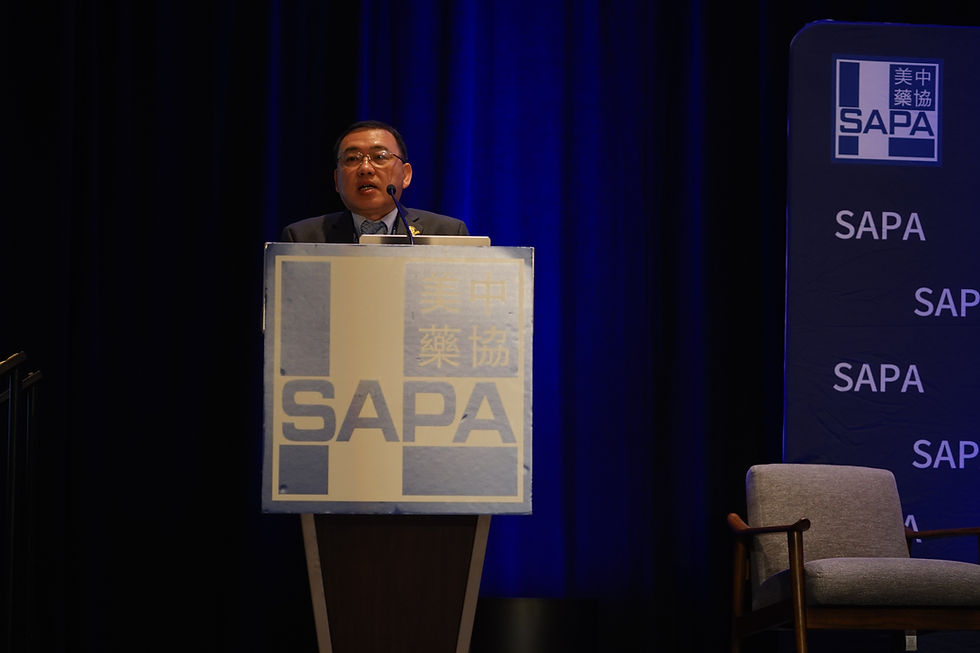
Following Dr. Ding’s remarks, U.S. Senator Andy Kim delivered a special message via pre-recorded video. He highlighted New Jersey’s thriving life sciences community, the importance of public-private collaboration, and a shared commitment to advancing innovation.
First Keynote Speaker
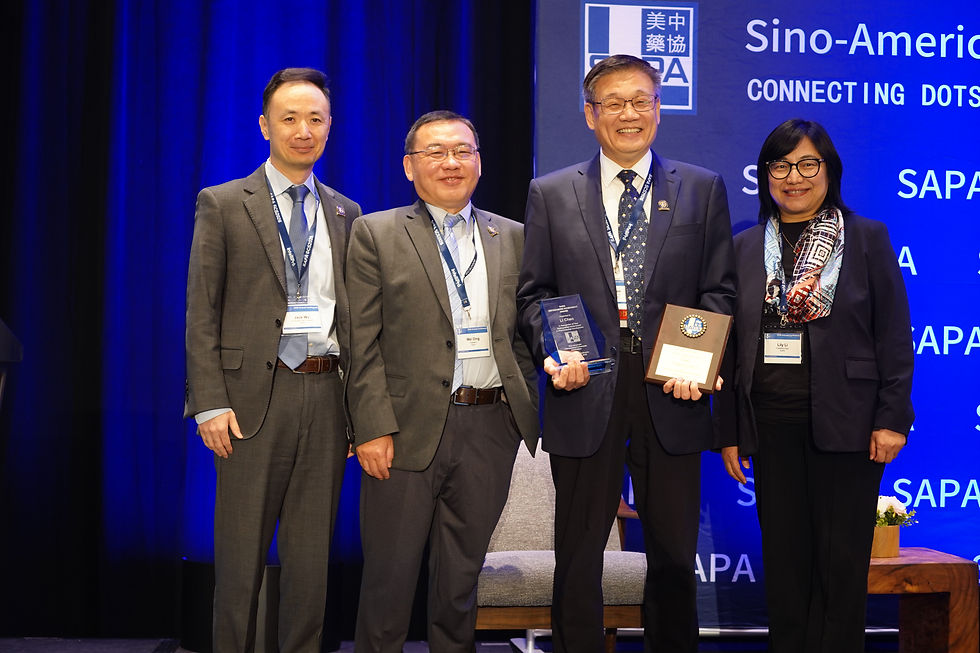
Li Chen, PhD (Founder and CEO, Hua Medicine) discussed progress in drug discovery and development in the United States and China. He explained the role of the glucokinase glucose-sensing mechanism in maintaining glucose homeostasis and its relevance to type 2 diabetes and other metabolic conditions.
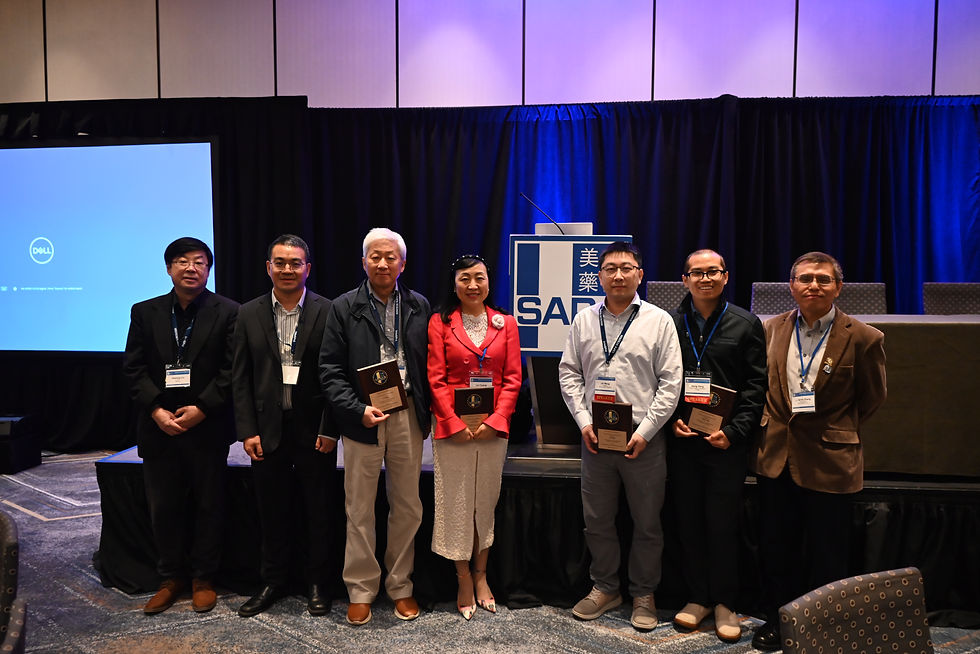
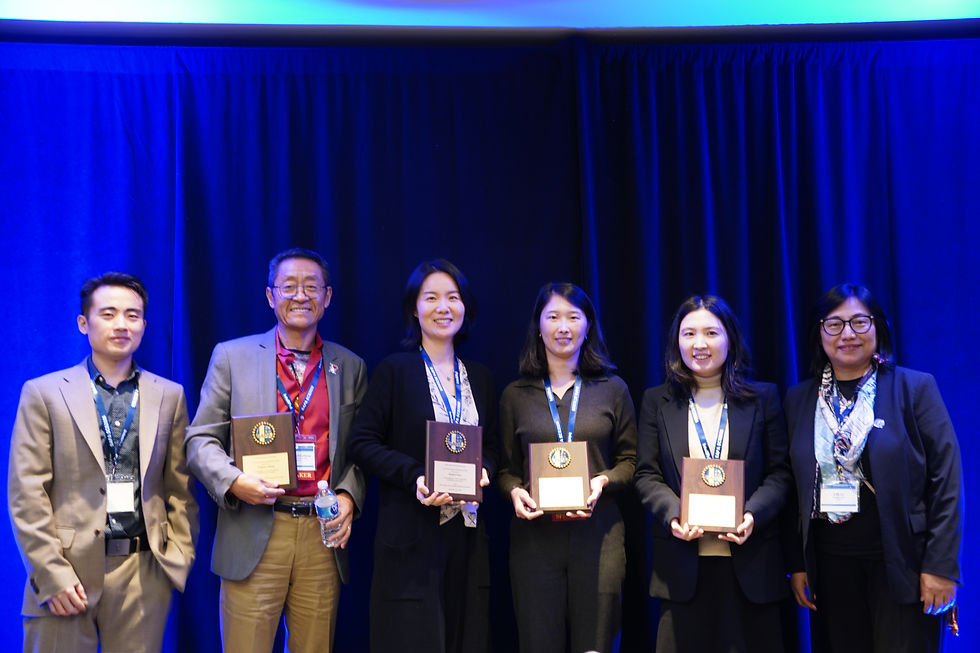
Dr. Chen then shared clinical findings on dorzagliatin, Hua Medicine’s glucokinase activator for type 2 diabetes, and discussed ongoing studies of combination regimens for obesity and metabolic dysfunction-associated steatotic liver disease. At the conclusion of his presentation, SAPA presented its Distinguished Achievement Award to Dr. Chen for his contributions to biopharmaceutical innovation.

Second Keynote Speaker
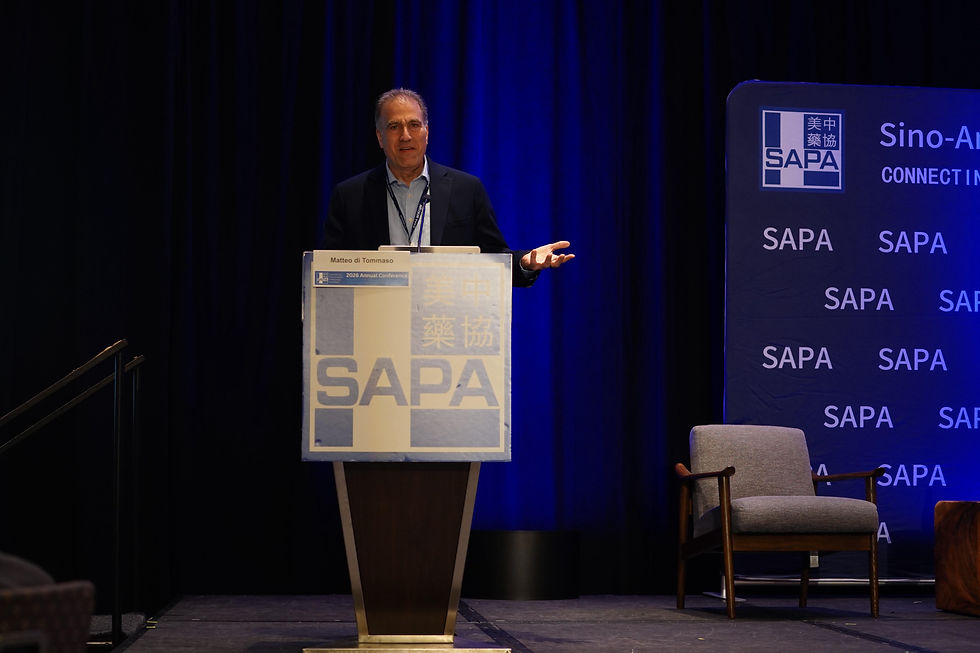
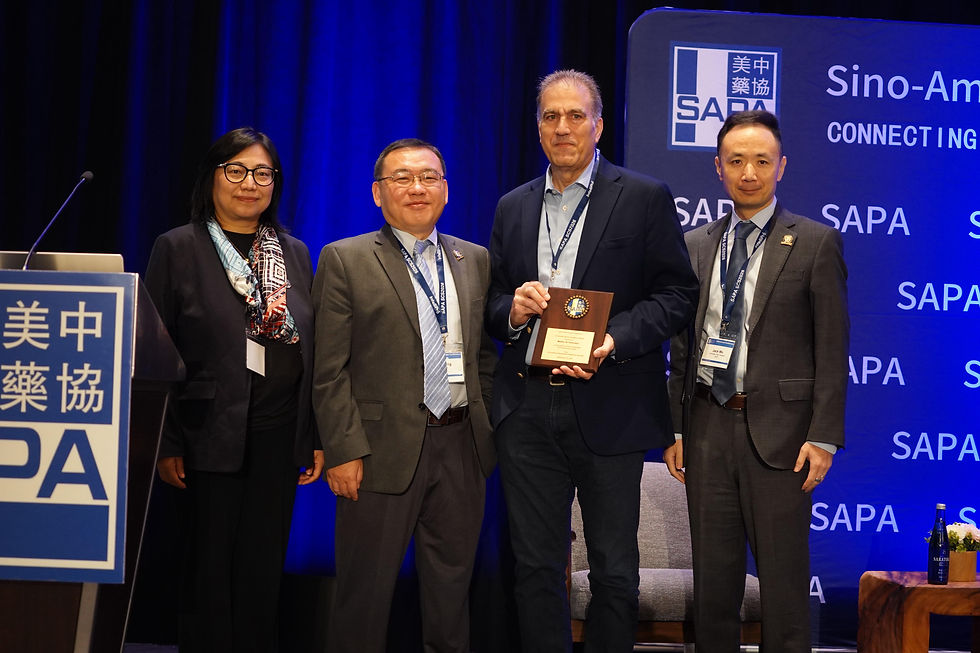
Matteo di Tommaso (SVP, Business Insights & Technology for R&D, RWD, and Digital Health, Bristol Myers Squibb) delivered a keynote entitled “Pharma R&D in the AI Era.” He examined the long timelines, high costs, and high attrition rates of drug development, as well as the challenges of interpreting large and complex biological datasets. Drawing on examples from Bristol Myers Squibb, he described how AI is changing work across pharmaceutical R&D, from target identification and molecular design to clinical operations.
Mr. di Tommaso highlighted BMS’s enterprise-wide AI initiatives and collaborations supporting its AI infrastructure. He discussed near-term applications in clinical trial design, operations, and patient and biomarker selection, alongside longer-term efforts to uncover novel biology. He emphasized that while AI can accelerate and enhance decision-making, human judgment, creativity, and critical thinking remain essential, particularly in clinical trial design. He concluded that the true value of technology lies in the positive impact it delivers for patients.
Third Keynote Speaker
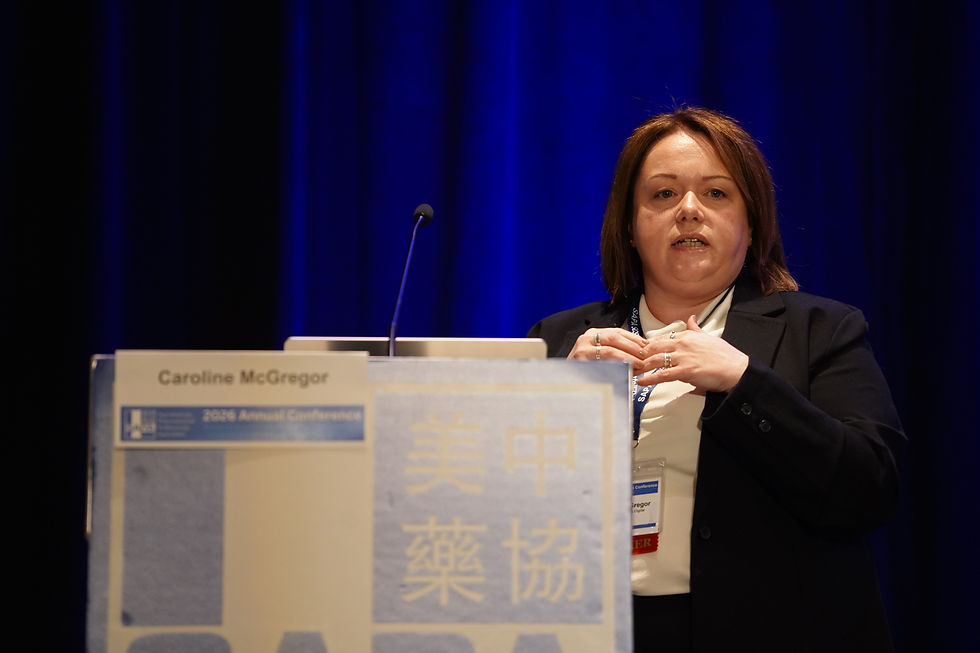
Caroline McGregor, PhD (VP, Pharmaceutical Analysis & Digital Technologies, Merck & Co., Inc.) delivered a keynote entitled “AI is Transforming How the Industry Executes CMC—From Development to Patient.” She described how increasingly large and diverse biopharmaceutical pipelines place new demands on CMC teams, while fragmented data and disconnected knowledge can slow execution. As a foundation for scaling AI, she proposed a CMC digital thread built on structured, governed, and reusable scientific data.
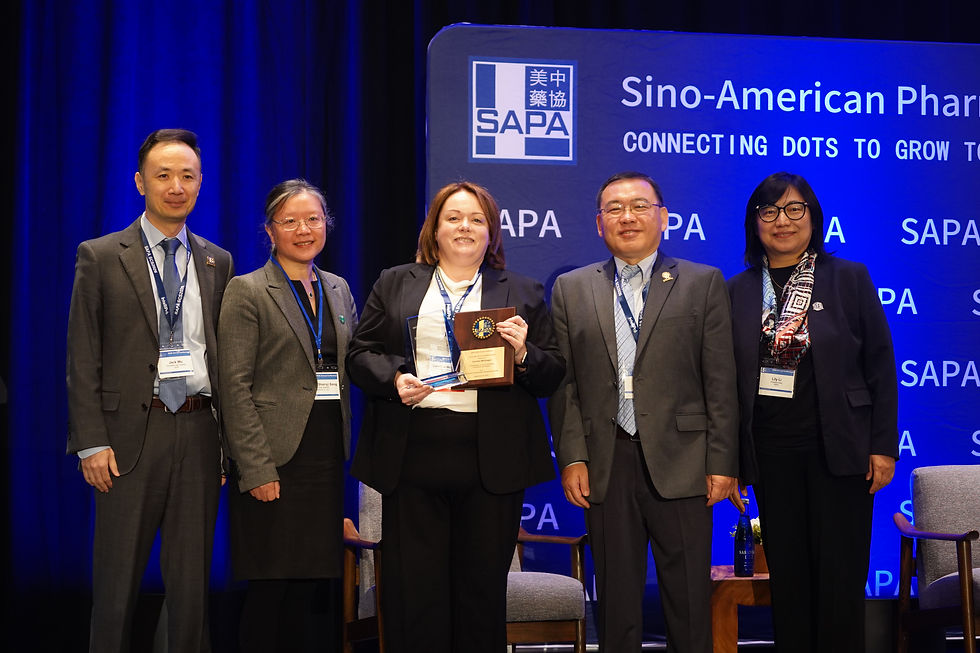
Dr. McGregor discussed how this approach could improve technology transfer, support more efficient regulatory authoring, and enable more proactive clinical supply planning. She emphasized the need for common standards and human oversight as organizations introduce AI into these workflows. At the conclusion of her presentation, she received the SAPA Distinguished Contribution Award in recognition of her long-standing support for SAPA.
Fourth Keynote Speaker
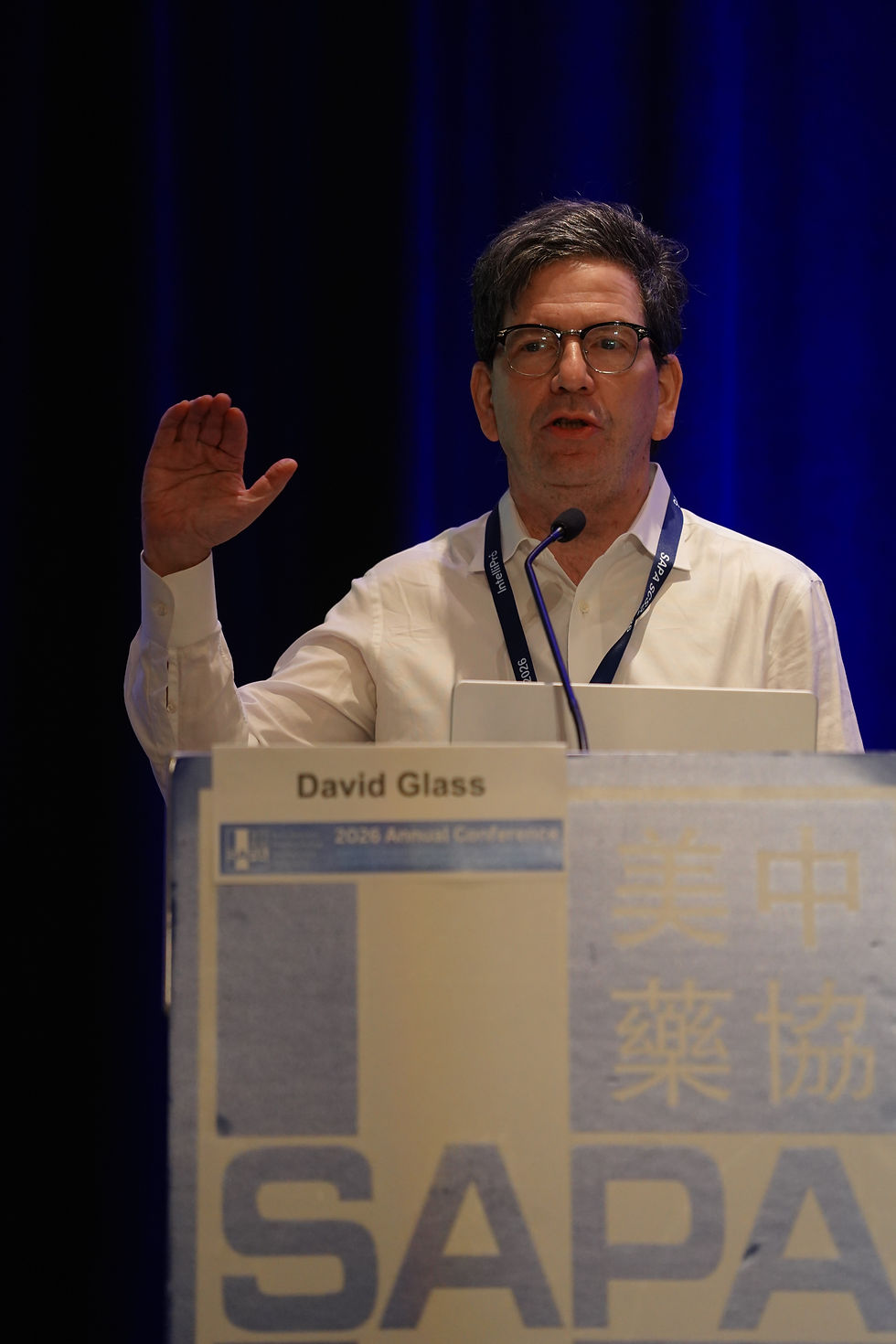
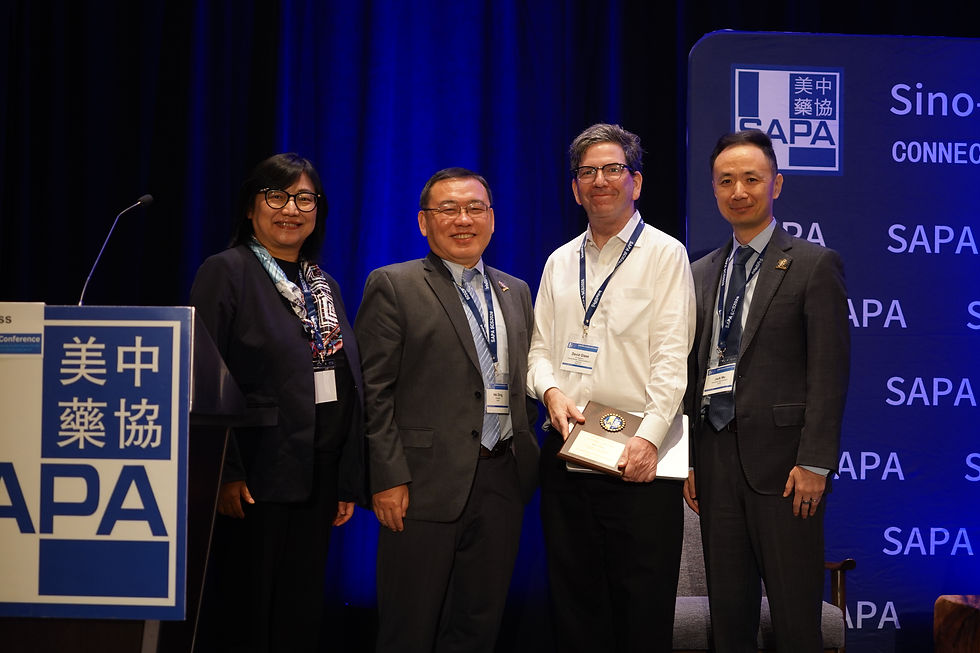
David Glass, MD (VP, Research, Regeneron; member, National Academy of Sciences) delivered a keynote entitled “Gene Expression and Specific Pathways Perturbing Skeletal Muscle Mass and Function.” He discussed research into how gene expression changes with age and how inflammation and nervous system changes may contribute to muscle loss.
Dr. Glass also explored the role of myostatin, a protein that limits muscle growth. He presented genetic and therapeutic research on myostatin inhibition and discussed its potential to help preserve lean muscle during treatment with GLP-1 weight-loss medicines. His presentation connected fundamental research on muscle biology with the goal of supporting healthier weight management.
AI Fireside Chat
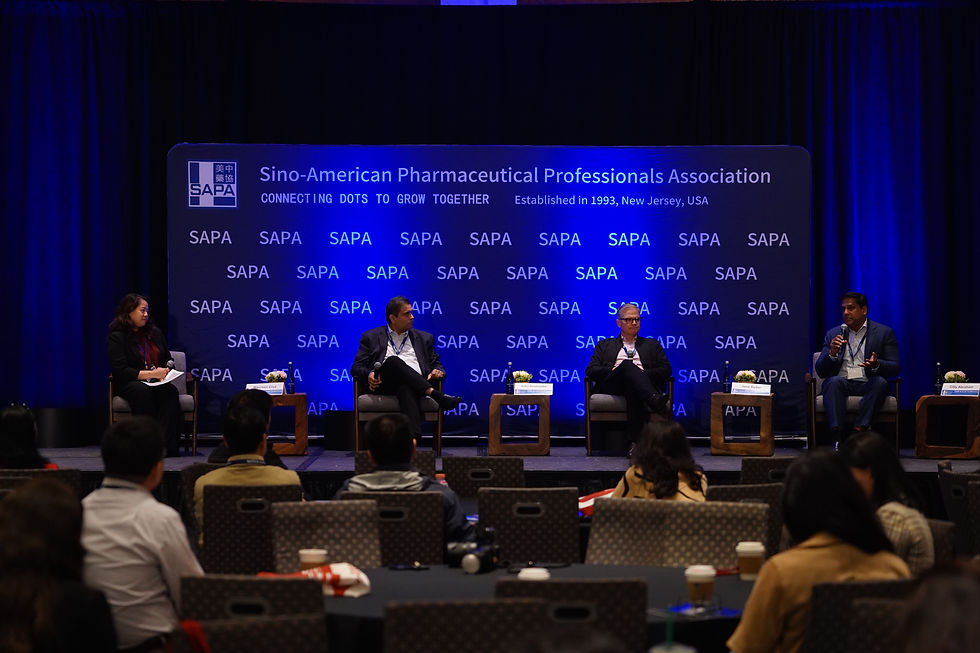
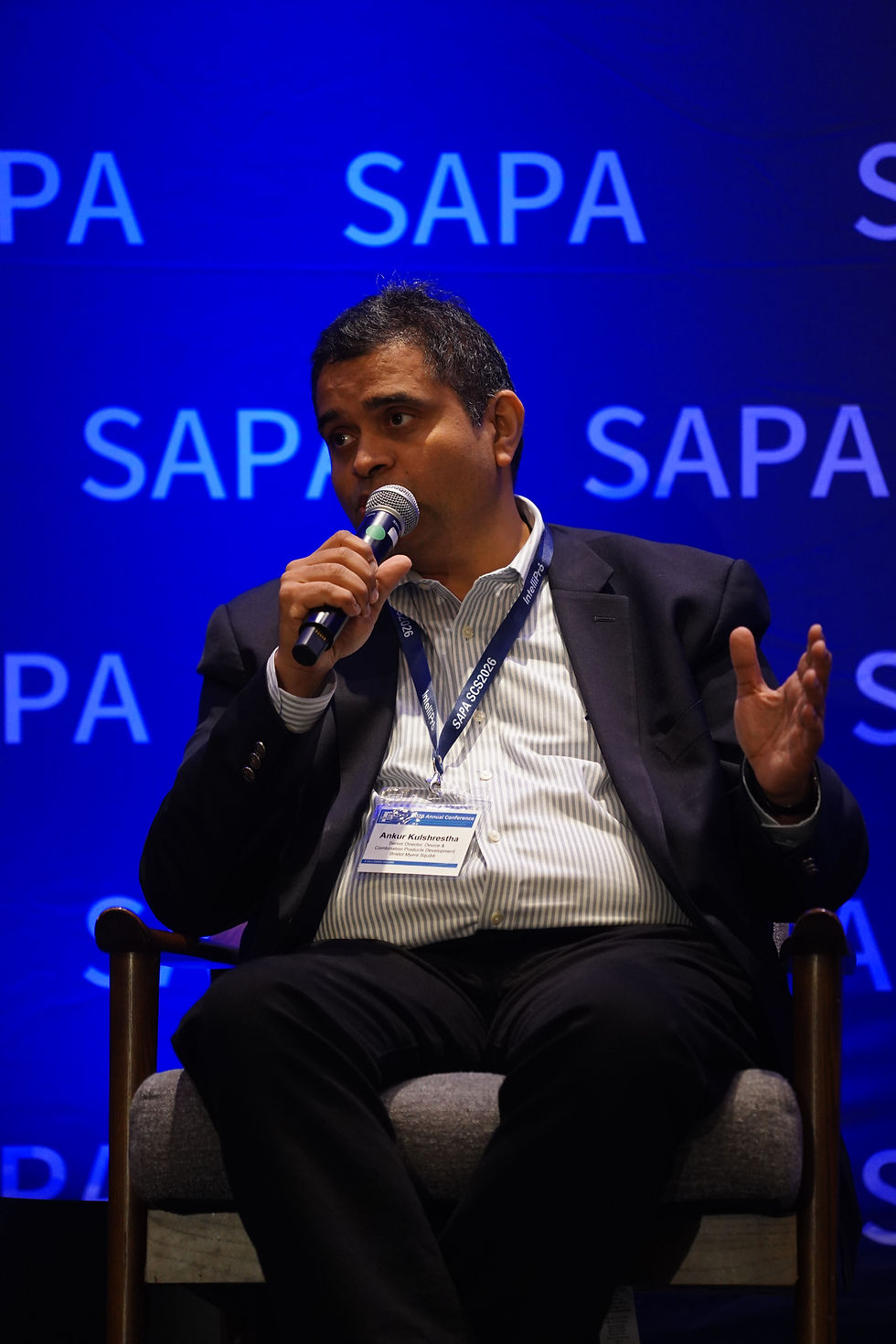
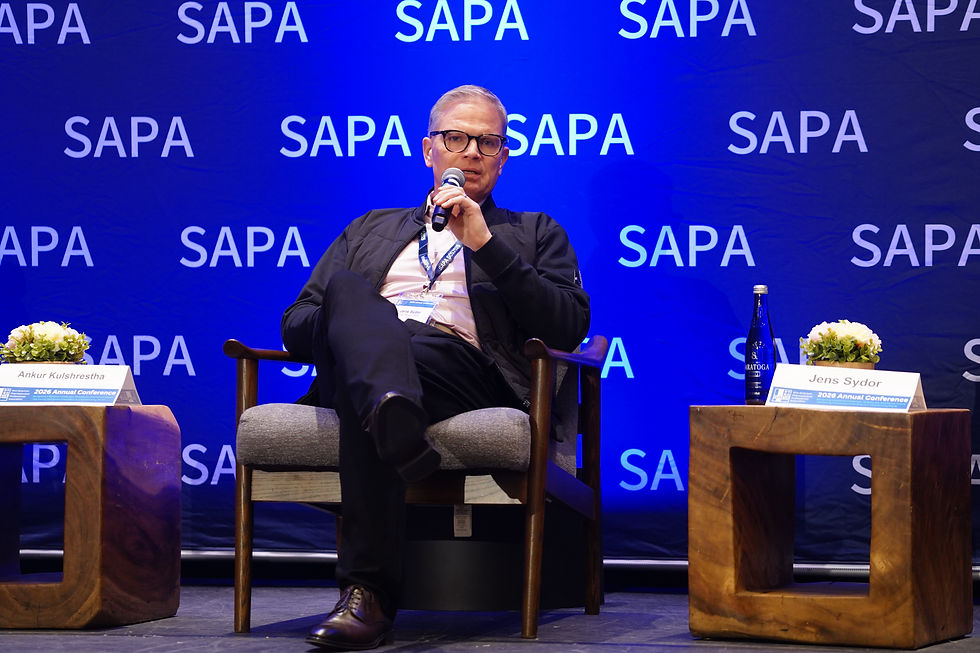
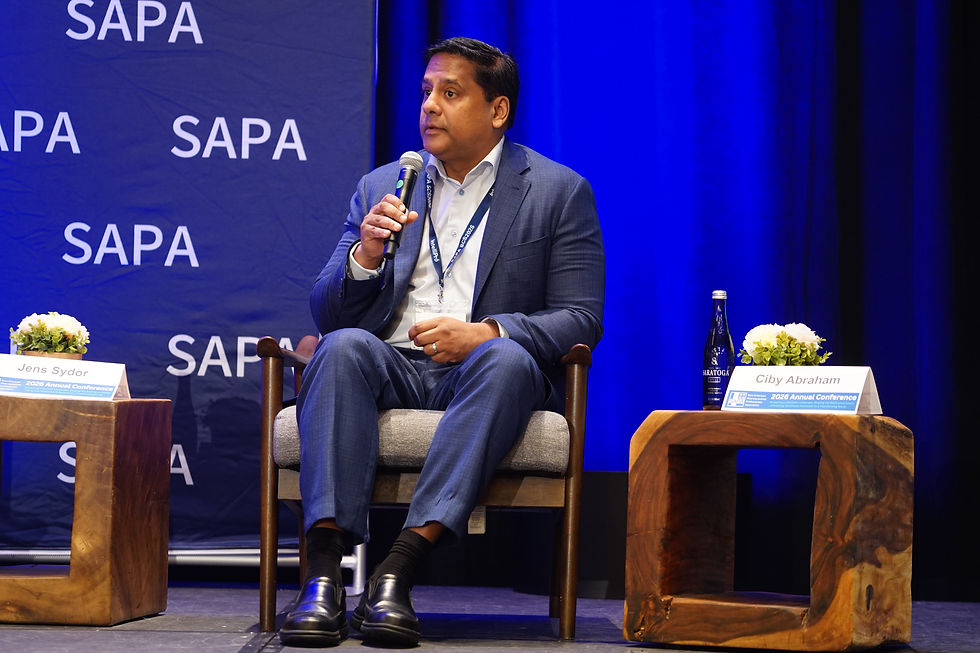
The AI fireside chat was moderated by Maureen Cruz (Principal, Faegre Drinker) and featured Ciby Abraham (Executive Director, CMC Regulatory Affairs, Merck & Co.); Ankur Kulshrestha, PhD (Senior Director, Device & Combination Products Development, Bristol Myers Squibb); and Jens Sydor (Vice President, DMPK, GSK). The panel explored the expanding role of AI across pharmaceutical R&D and manufacturing, including applications in target prioritization, formulation, device development, human factors studies, and documentation. The speakers also discussed the data quality and infrastructure needed to apply AI across large organizations.
A central theme was balancing faster execution with scientific judgment, regulatory expectations, and responsible governance. The panel addressed proprietary data, privacy, accountability, and the importance of involving people throughout complex workflows. Speakers envisioned scientists taking a greater role in defining problems, setting safeguards, evaluating results, and making final decisions as AI handles more routine tasks. They also emphasized AI fluency as an increasingly valuable skill for the next generation of scientists.


SAPA Election Announcement
SAPA announced the election of Brian Jiang (Digital & AI Solution Lead, Pfizer) as its next President-Elect, along with newly elected members of the SAPA Executive Council. In his remarks, Jiang thanked SAPA members and outgoing leaders and reflected on the organization’s role in connecting and supporting its community. As he put it, “I grow with SAPA, and SAPA grows with all of you.”
Lunch & Learn: Unlocking Resources for Business Growth
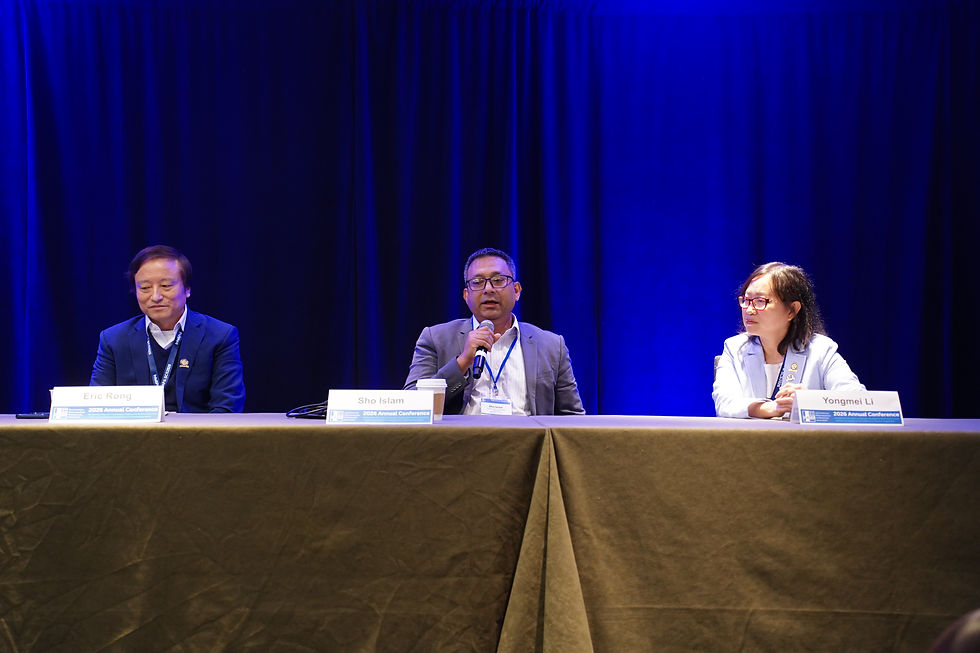
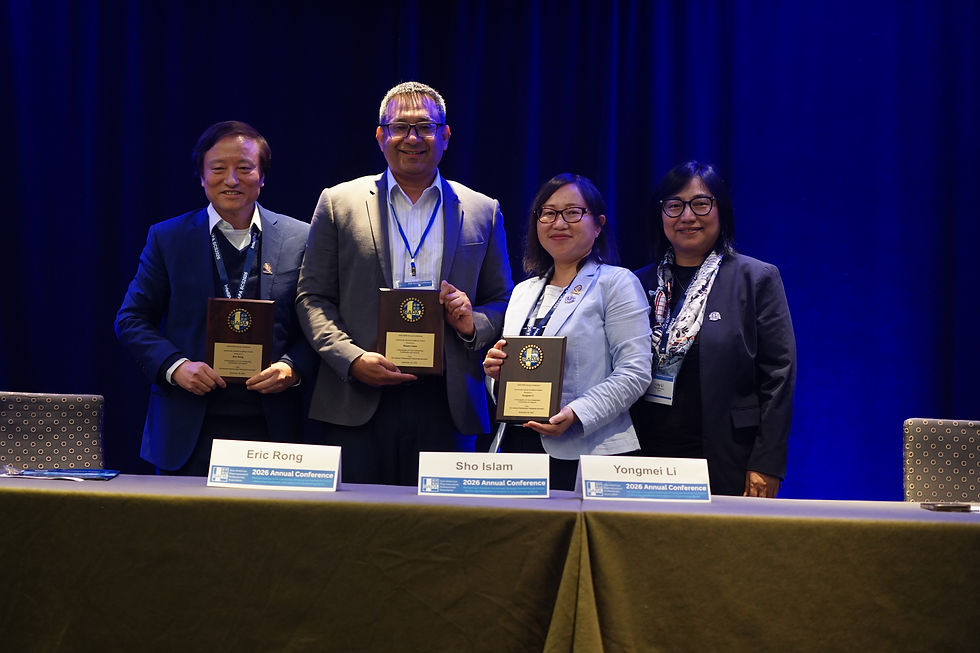
The Lunch & Learn session, “Unlocking Resources for Business Growth,” was moderated by Eric Rong (CEO, Rysteril Biopharmaceuticals). Sho Islam, MS (Director, Office of Business Engagement, Middlesex County) introduced the office’s work and outlined resources available to startups and growing companies in New Jersey.
Islam then joined Rong and Yongmei Li, PhD (CEO, Axela Biosciences Inc.) for a fireside chat on how entrepreneurs can access and make effective use of these resources. The session concluded with an interactive audience Q&A.
Parallel Session A: Drug Discovery—Novel Therapies on the Horizon
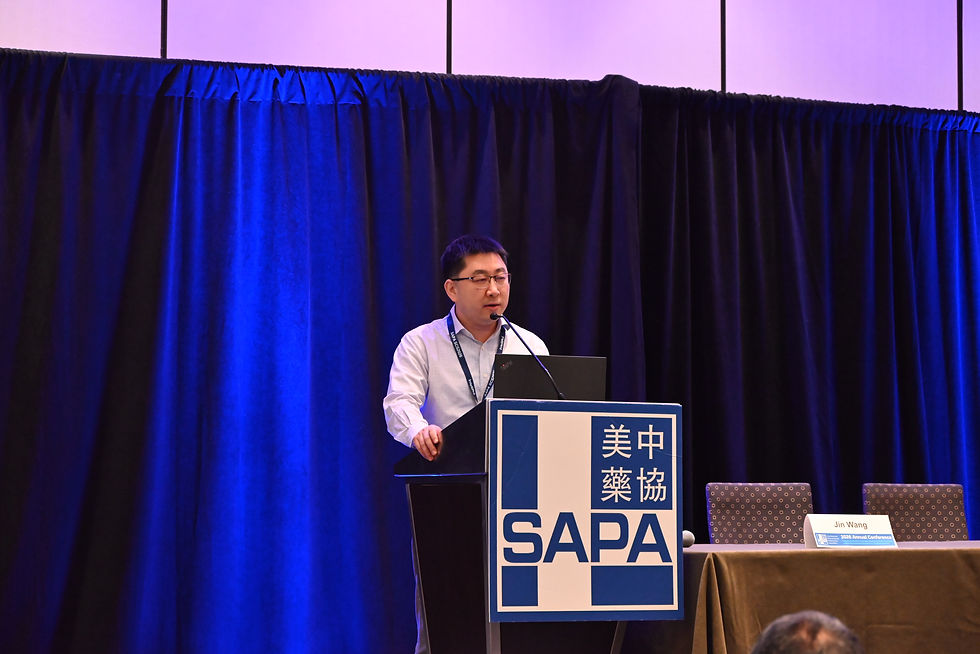
The session opened with remarks by Dexi Yang, PhD, followed by talks spanning molecular glues, targeted protein degradation, and cell therapy. Jin Wang, PhD (Professor, Baylor College of Medicine) reviewed the development of molecular glues and discussed using AI for affinity prediction and high-throughput proteomics screening to identify promising chemotypes. Song Yang, PhD (Senior Research Investigator) examined PROTAC conformations and the importance of structure-based design, including the use of conformational ensembles to model ternary complexes and predict degradation.
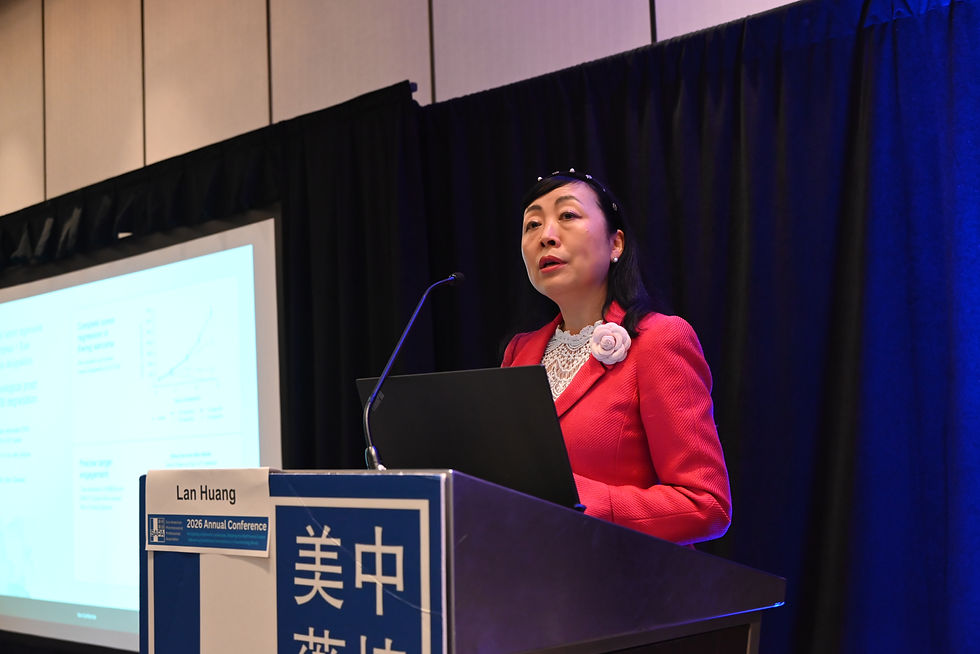
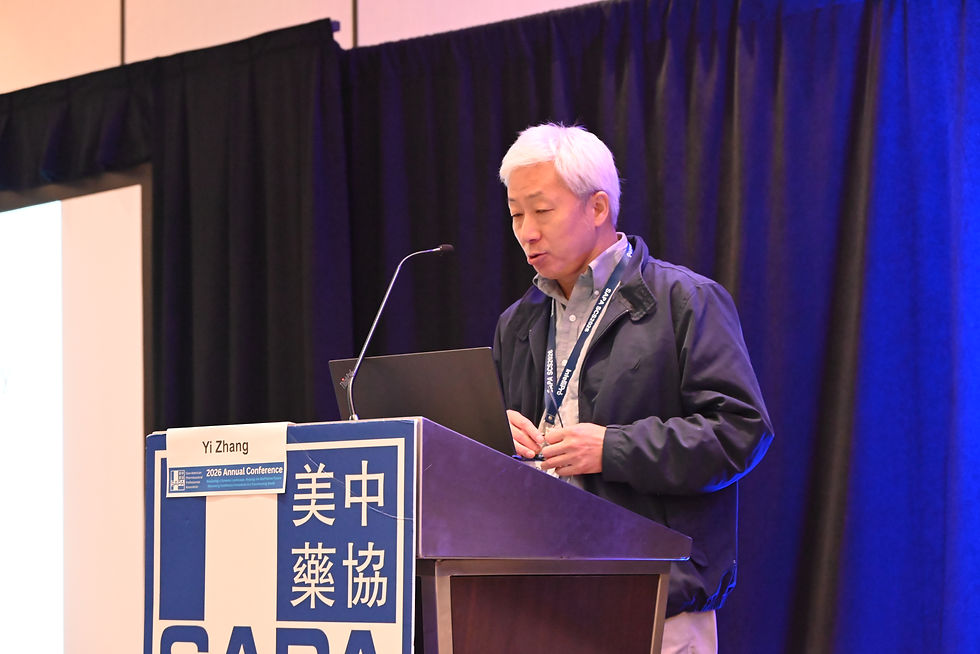
Lan Huang, PhD (CEO and Co-founder, SEED Therapeutics US, Inc.) discussed recent progress in the molecular glue field and introduced SEED’s discovery platform and pipeline, including its asset ST-01156. Yi Zhang, MD, PhD (Professor, Hackensack Meridian Health Center for Discovery and Innovation) presented the mechanisms and key requirements of adoptive T-cell therapy for advanced cancer. The session concluded with closing remarks by Linghua Harris Zhang, PhD.
Parallel Session B: Meeting New Challenges in CMC Development
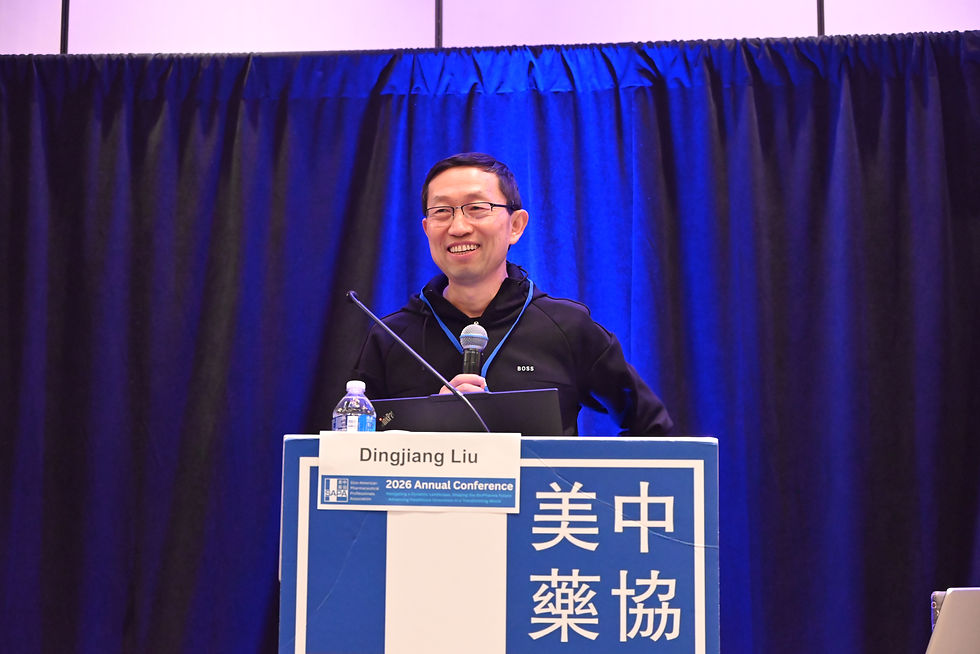
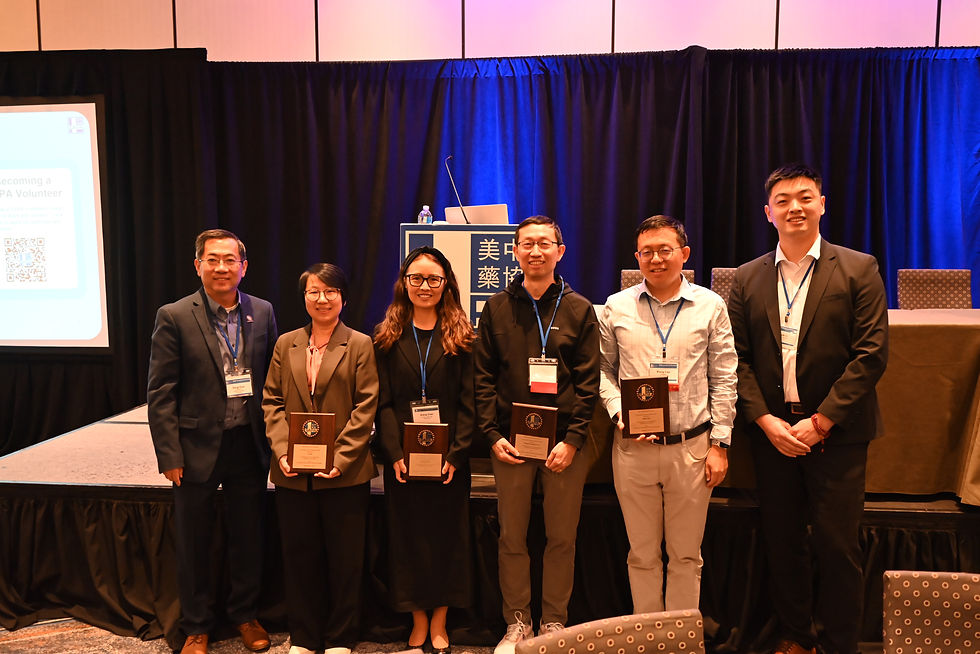
The session opened with remarks by Yong Guo, PhD and focused on the role of CMC in research, development, and manufacturing. Xiang Cao, PhD (Director, Daiichi Sankyo) discussed CMC regulatory considerations for antibody-drug conjugates, including control strategies, process validation, comparability, regulatory submissions, and post-approval changes. Dingjiang Liu, PhD (Executive Director, Regeneron) shared examples of shortening the drug product development critical path through work on AAV formulations, ADC platforms, and predictive stability studies.
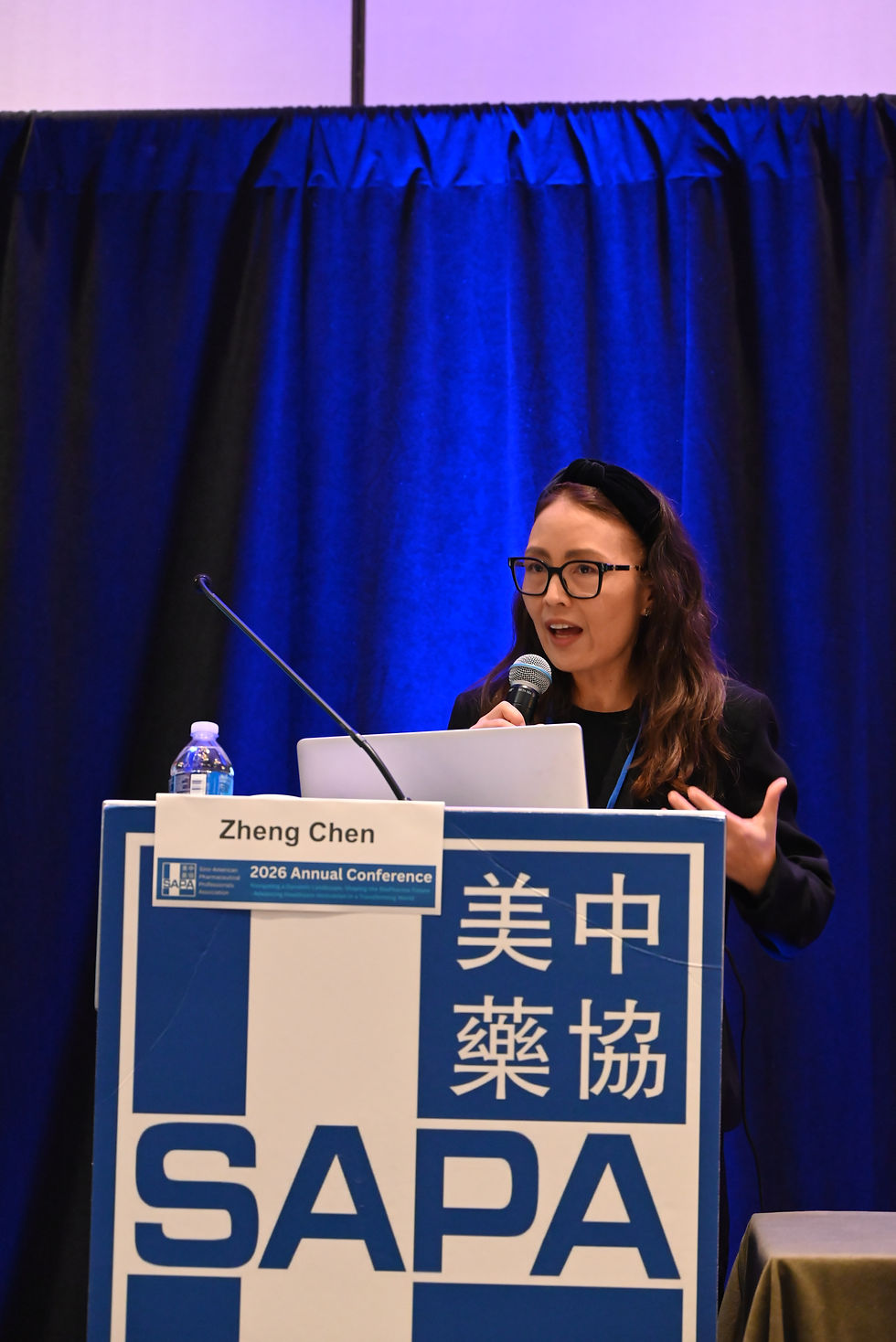
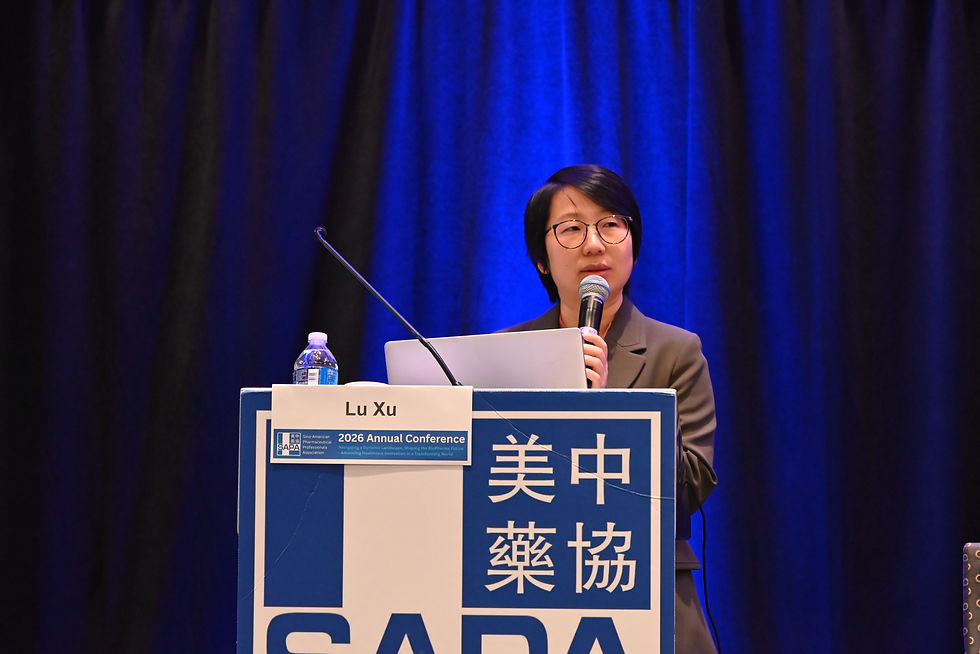
Zheng Chen, PhD (Director, AstraZeneca) reflected on CMC leadership in a rapidly changing environment, emphasizing strategic vision, learning agility, scientific rigor, and cross-functional leadership. Lu Xu, MBA (Executive Director, Altruist Biologics) discussed scale-up considerations for monoclonal antibody manufacturing and presented a 20,000 L production case study focused on improving process efficiency, yield, and cost of goods. Shuai Li, PhD delivered the closing remarks.
Parallel Session C: AI in Pharma—From Pilot to Production
Chaired by Xi Cheng, MPH, MS; Brian Jiang, MS and Jason Zhong, MBA, MS, Session C, “AI in Pharma: From Pilot to Production,” focused on the practical challenges of moving AI in pharmaceutical R&D from promising pilots to reliable, scalable, and trusted applications.
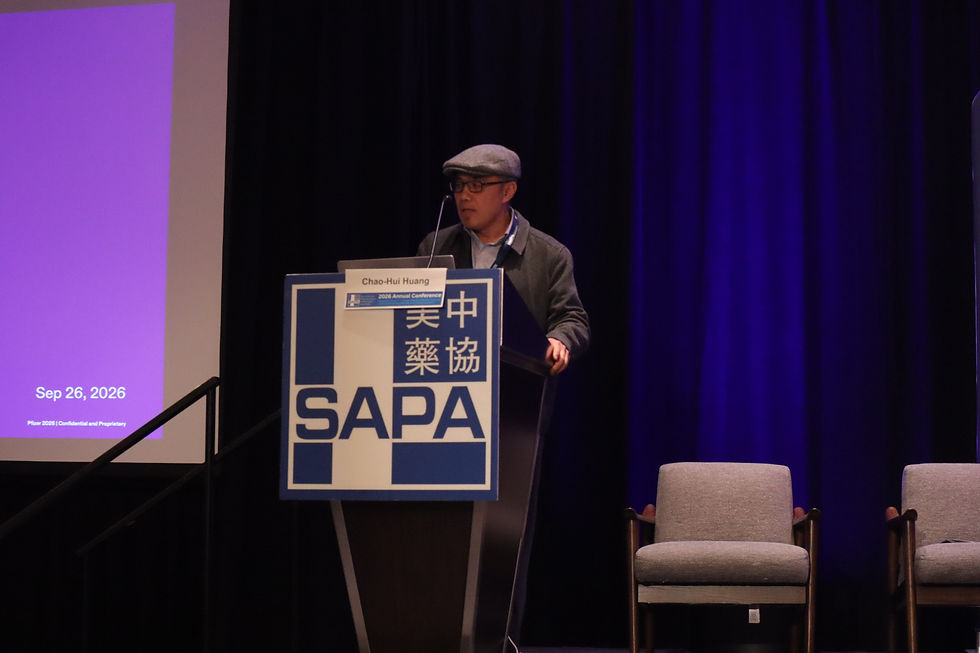
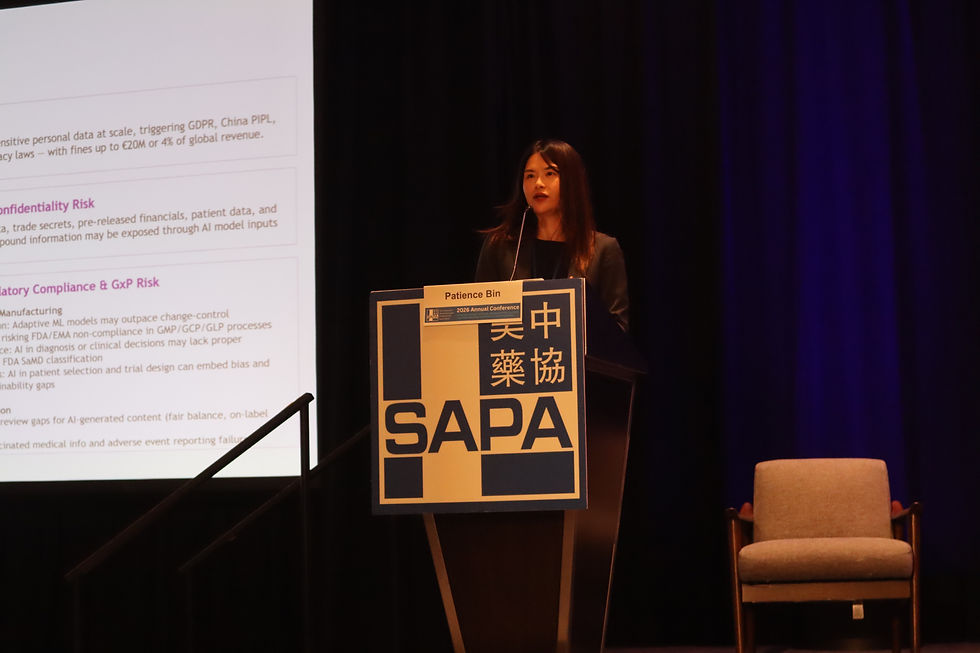
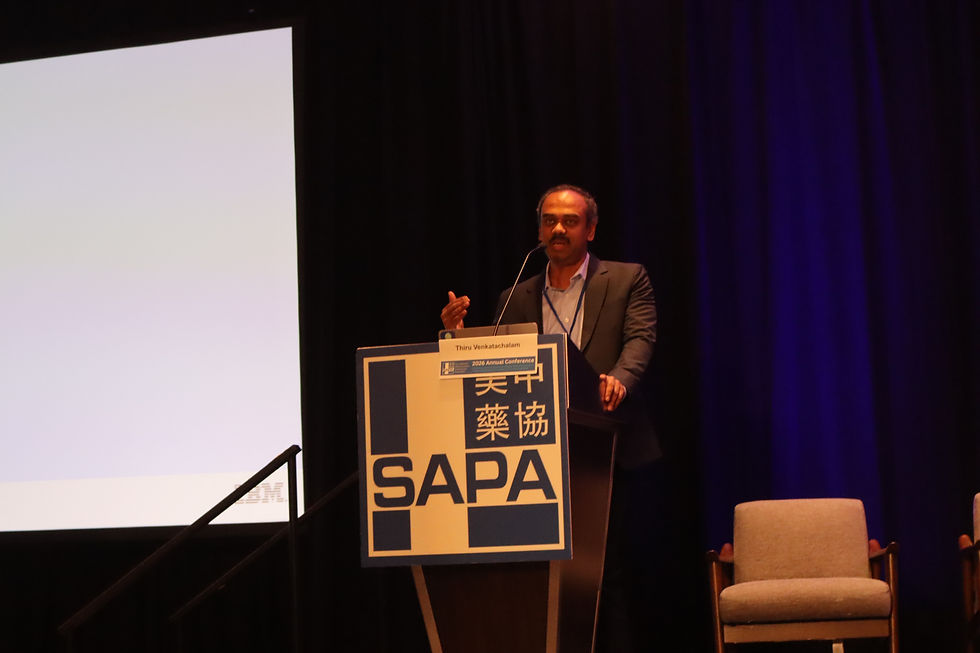
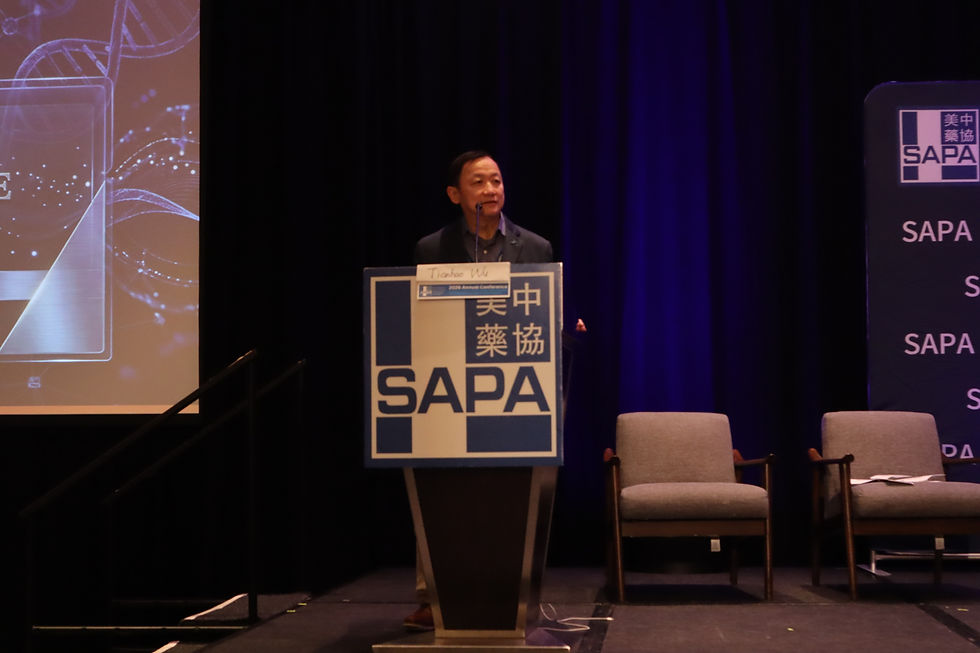
Brian Jiang (Digital & AI Solution Lead, Pfizer) opened the session with framing remarks on the growing need to move beyond experimentation toward real-world implementation. Antong Chen, PhD (Executive Director, Data Science & Scientific Informatics, Merck) discussed how AI and machine learning are being applied across the pharmaceutical R&D lifecycle and the technical and organizational capabilities required to operationalize these solutions at scale. Chao-Hui Huang, PhD (Director, AI/ML Applications, Pfizer) highlighted the use of spatial biology, histopathology image analysis, and generative AI to support cancer research and scientific decision-making. Patience Bin, JD (Senior Director, Enterprise AI & Data Governance, Bristol Myers Squibb) provided a timely perspective on enterprise AI governance, addressing regulation, risk management, responsible AI adoption, and emerging challenges associated with agentic AI. Thiru Venkatachalam (Vice President & Senior Partner, IBM) added a cross-industry executive perspective on building, governing, and scaling secure enterprise AI in complex organizations. The session also included a brief sponsor presentation by Tianhao Wu, PhD (Founder & Chief Humanity Officer, opAIda Inc.), offering an additional industry perspective on production-oriented enterprise AI.
The presentations generated active audience discussion and questions around AI validation, governance, scalability, and real-world adoption. Jason Zhong, MBA, MS concluded the session with closing remarks and key takeaways.
Parallel Session D: Clinical Development and Regulatory Affairs in the AI Era
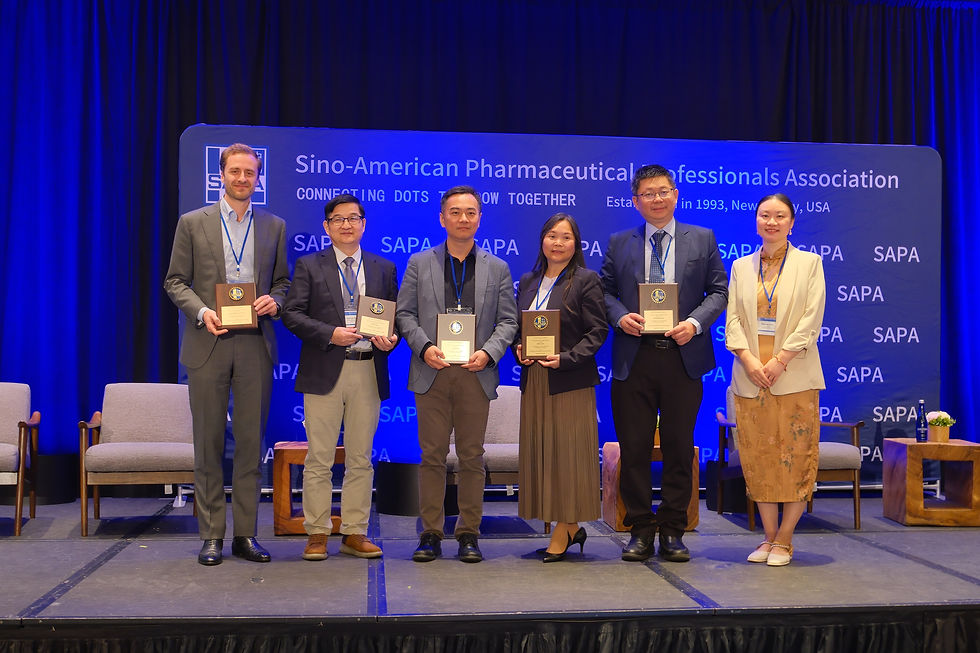
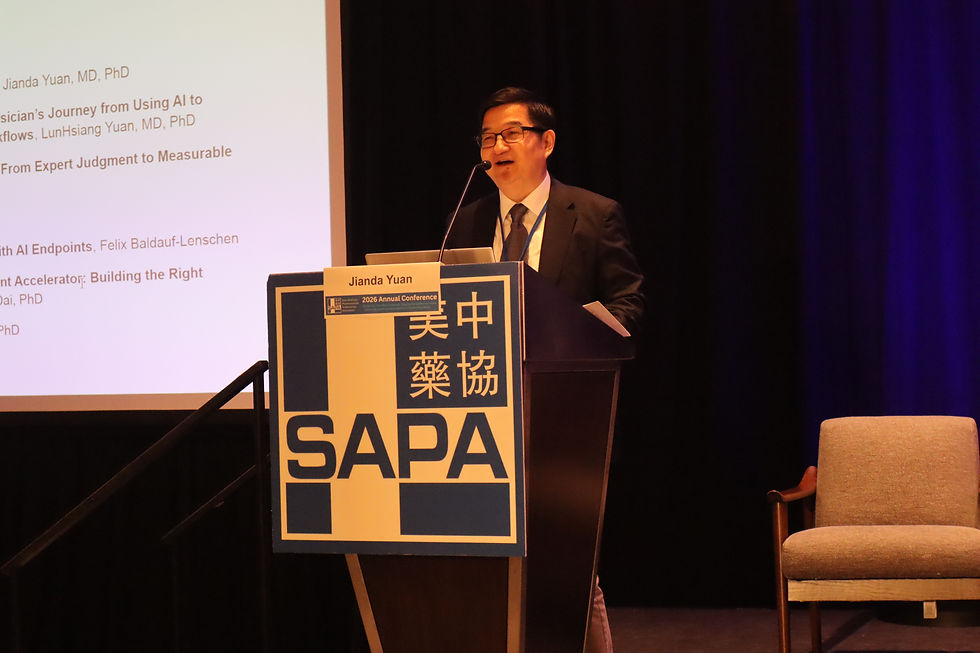
Chaired by Xiaowei Sun, PhD; Jianda Yuan, MD, PhD; and Huanyu Chen, MS, Session D brought together clinical, statistical, AI, and regulatory perspectives on evidence generation and decision-making. Xiaowei Sun, PhD (Senior Scientist, Translational Medicine, Bristol Myers Squibb) opened the session. Jianda Yuan, MD, PhD (Senior Medical Director, Merck & Co.) then presented a framework for applying AI across oncology drug development while addressing validation and regulatory considerations.
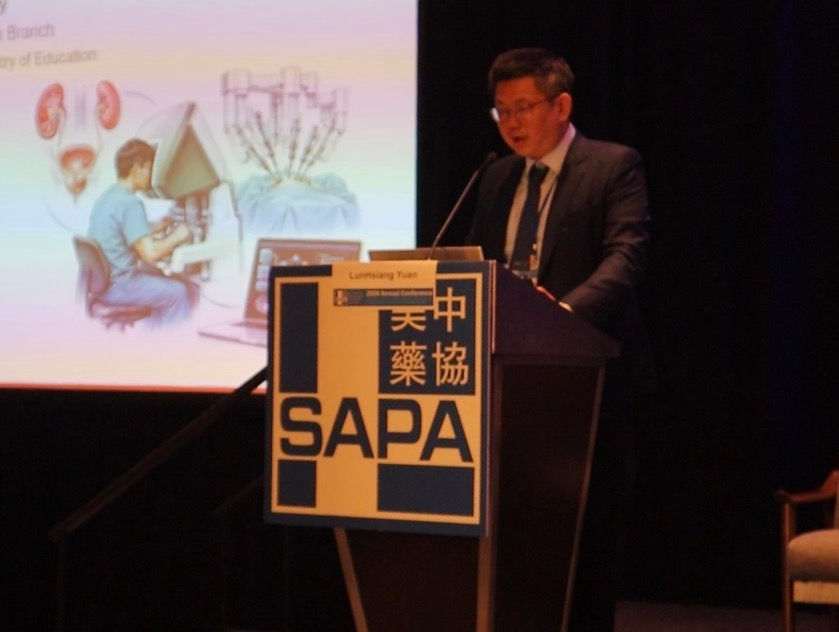
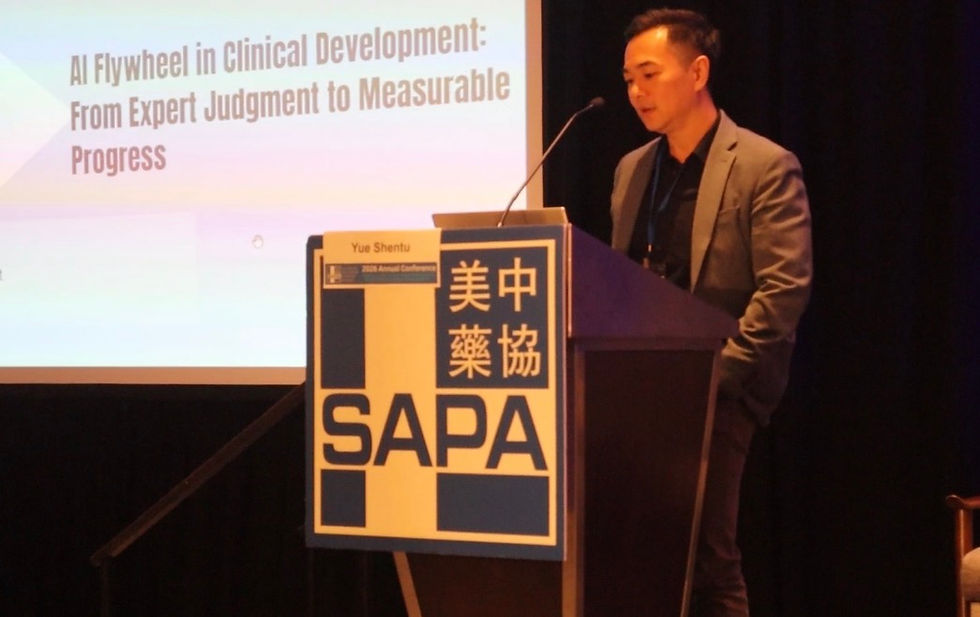
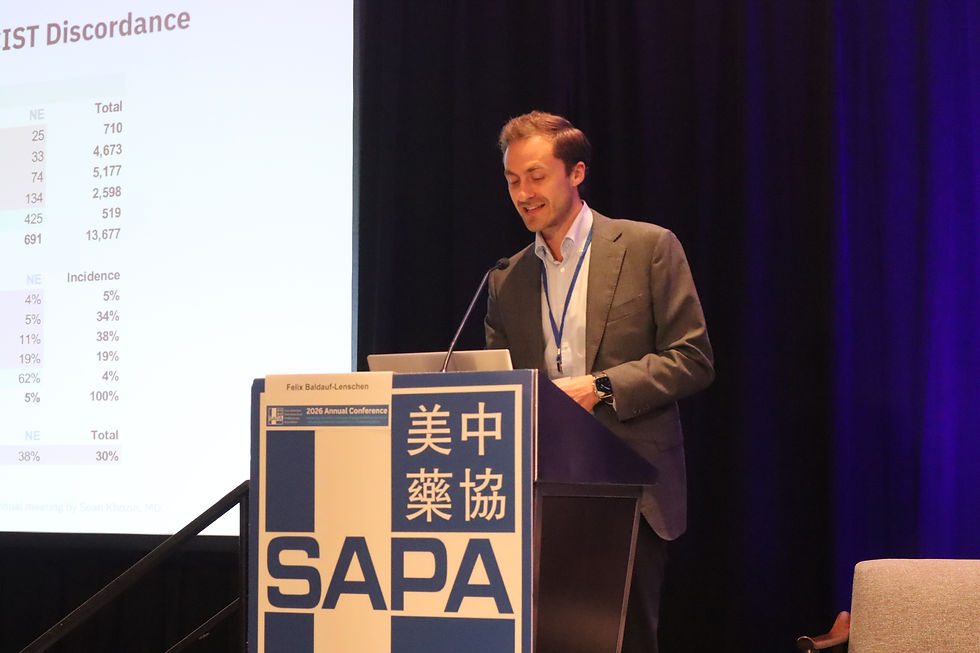
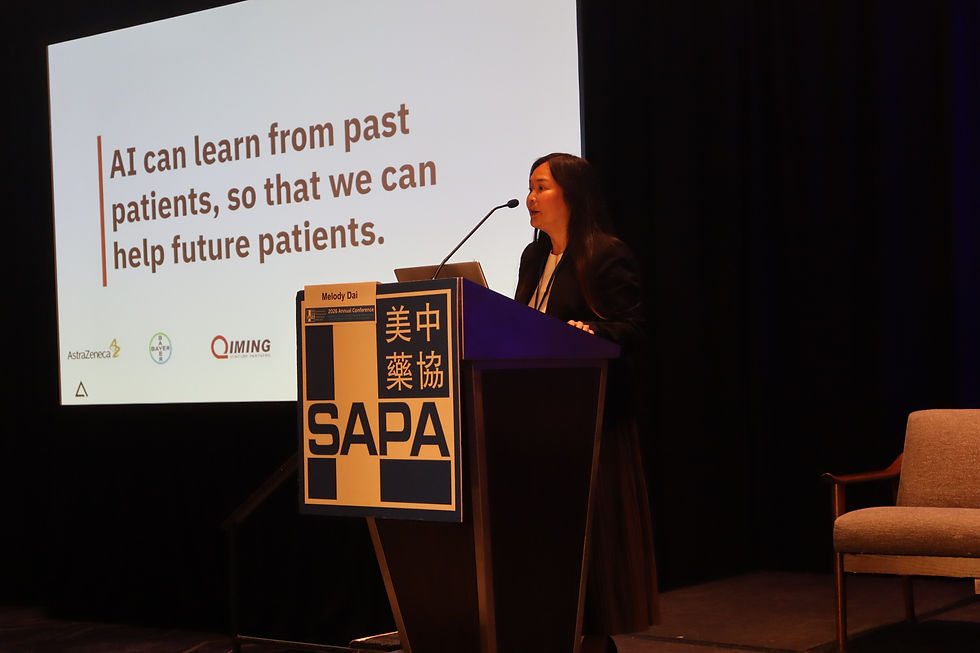
LunHsiang Yuan, MD, PhD (Deputy Director, Urology Department, National Taiwan University Hospital) shared a physician’s perspective on bringing trustworthy AI workflows into clinical practice. Yue Shentu, PhD (Associate Vice President, Merck & Co.) discussed how expert judgment can guide the evaluation and improvement of AI copilots for clinical trial design and analysis. Felix Baldauf-Lenschen (Founder & CEO, Altis Labs) examined the potential of AI-derived imaging endpoints to support earlier decisions in oncology trials. Melody Dai, PhD, RAC, PMP (Regulatory & Product Development Executive, Global Molecular Solutions LLC) discussed how integrating regulatory strategy early in development can guide evidence generation. The session concluded with audience discussion and closing remarks by Jianda Yuan.
Parallel Session E: Safeguarding Your Business Transactions from Legal, Accounting, and Regulatory Perspectives
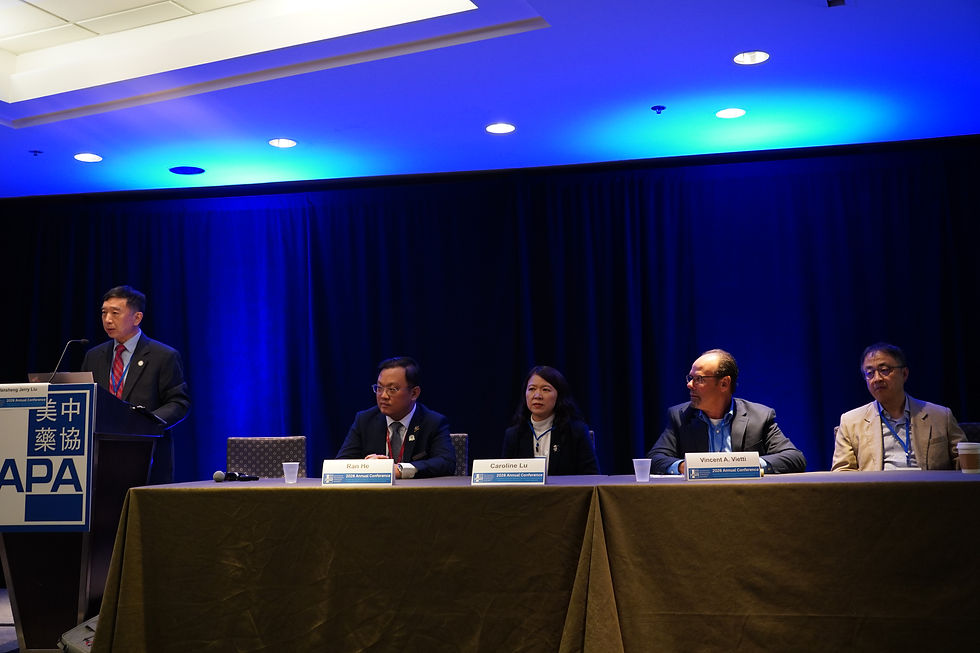
Session E began with three presentations on considerations for biotechnology investment and transactions. Ran He, PhD, JD (Founder, THC Lawyers) discussed U.S. investment screening and data security rules, including CFIUS and transactions involving sensitive personal or genomic data. Vincent A. Vietti, JD (Partner, Fox Rothschild) outlined venture capital due diligence essentials, including corporate governance, capitalization tables, intellectual property ownership, regulatory compliance, and organized records. Caroline Lu, MS, CFA (Principal, UHY LLP) addressed biotech valuation and cross-border tax strategy, including intangible assets, clinical risk, transfer pricing, and planning for equity holders.
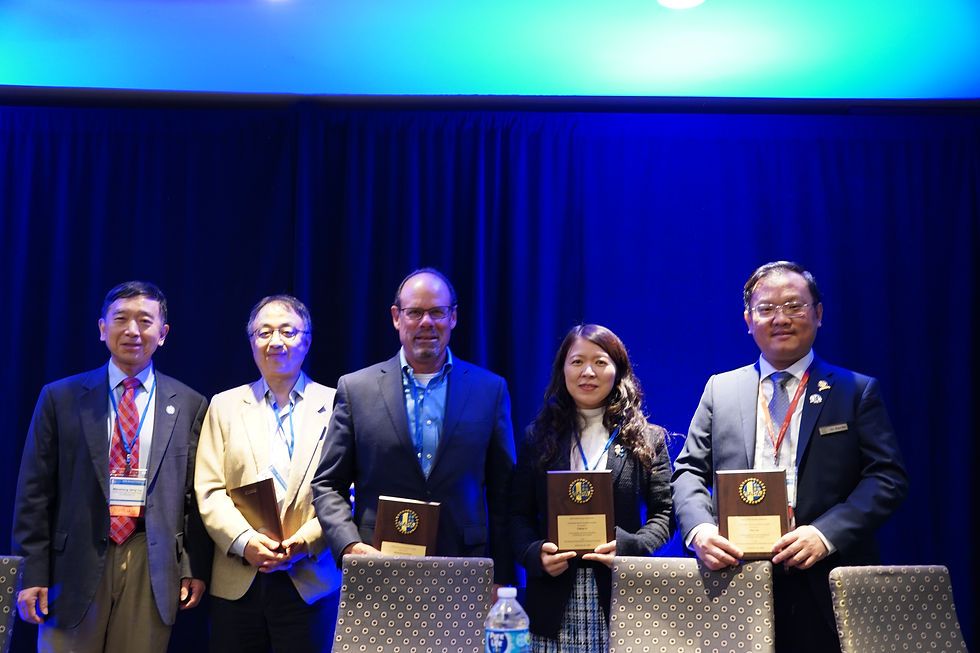
The speakers then joined a panel moderated by Wansheng (Jerry) Liu, PhD, JD (Partner and Chair of the China Practice, Fox Rothschild LLP), with Wei Zhang, JD (Lead Corporate Counsel, Natera) also participating. The discussion examined ownership structures, intellectual property and data rights, privacy, regulatory review, and other challenges in fundraising and cross-border transactions. Panelists emphasized addressing these questions early and maintaining clear documentation before a transaction begins.
Second panel discussion (Leading Through Volatility: Resilient BD and Investment Strategy for Pharma & Biotech):
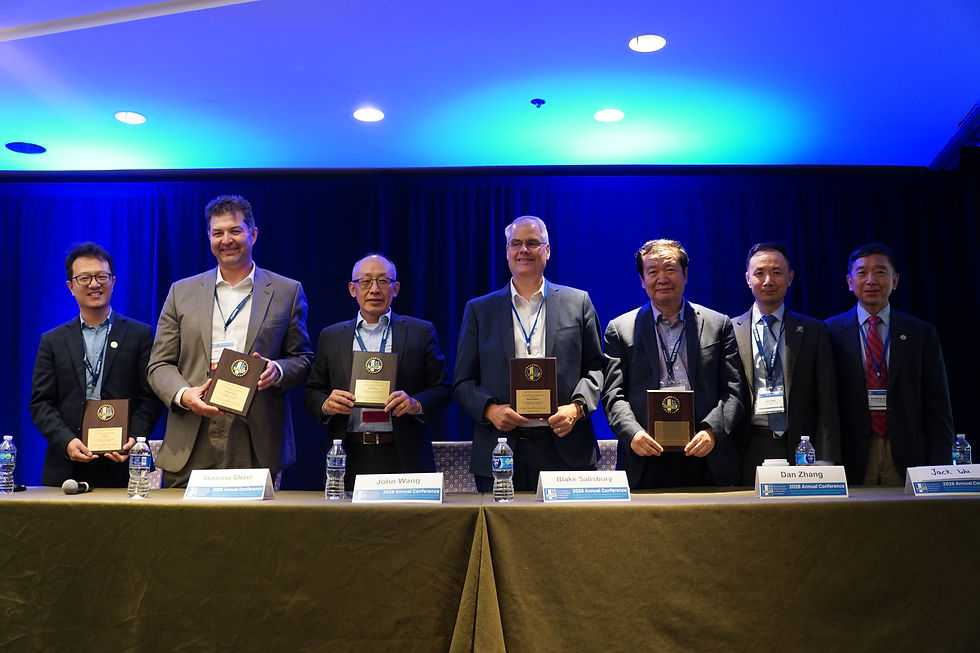
Session E second panel discussion featured a panel moderated by Le Zhan, PhD (Partner, YUNION Healthcare Ventures), with Stanislav Glezer, MD (Managing Director, Outcome Capital); John Wang, PhD, MBA (Chief Strategy Officer, Gan & Lee Pharmaceuticals); Blake Salisbury (SVP, Business Development, Innovent Biologics); Dan Zheng, MD, MPH (CSO, Peking Union Innovation Hub; Co-founder, Hillgene Biopharma); and Jack Wu, PhD (Immediate Past SAPA President; AVP, Head of Search & Evaluation, Incyte). The discussion focused on U.S.–China and other cross-border biotech transactions, including NewCo structures, licensing, and co-development. Panelists considered when a NewCo can create value, emphasizing strong management, clear intellectual property ownership, credible assets, and a path to future financing or liquidity.
The panel also discussed China’s growing role in global clinical development and business development, including patient recruitment, investigator-initiated trials, and broader partnerships that connect assets with discovery or development capabilities. Speakers stressed the importance of clinical data quality and appropriate academic-industry relationships. They also explored emerging applications of AI in drug discovery and clinical development. Across these topics, the panel emphasized aligning deal structures with asset strategy, development capabilities, commercial objectives, and long-term global positioning.

Parallel Session F: Career Development—Voices from Industry: Diverse Paths to Success in Pharma & Biotech
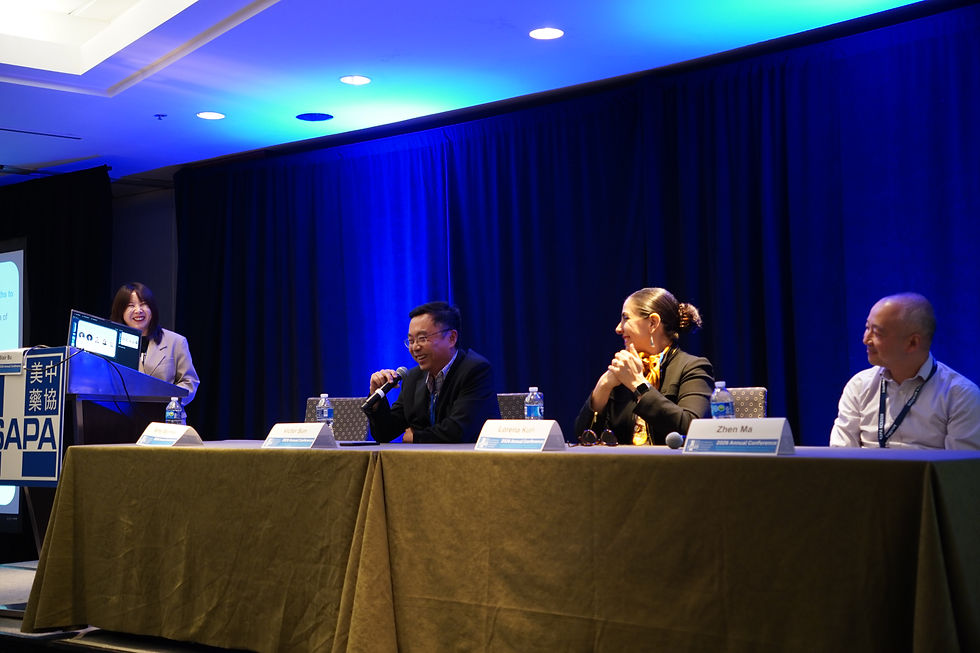
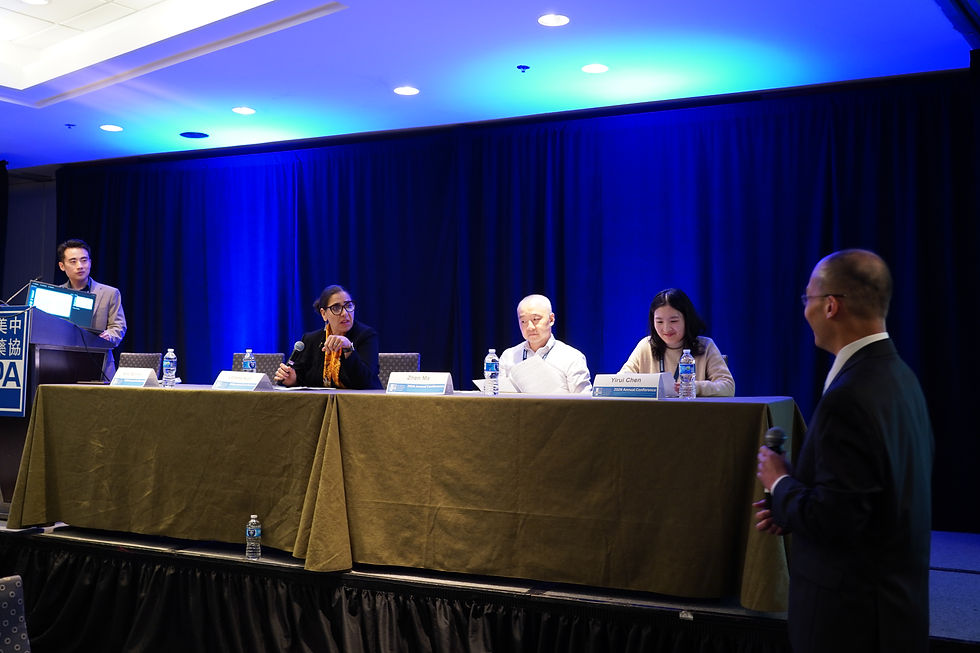
Parallel Session F combined career discussions with practical interview training. The first panel, “Global Capability as the New Career Moat: Thriving in an Era of Constant Change,” was moderated by Blair Bu, BMgt, and featured Amy Spinney, MBA (Fresenius Medical Care); Lorena Kuri, MS (Bristol Myers Squibb); Zhen Ma (WuXi Biologics); and Victor Sun, PhD (Innovent Biologics). Panelists discussed how adaptability, cross-cultural communication, influence without authority, and leadership capabilities complement technical expertise in a changing biopharma industry.
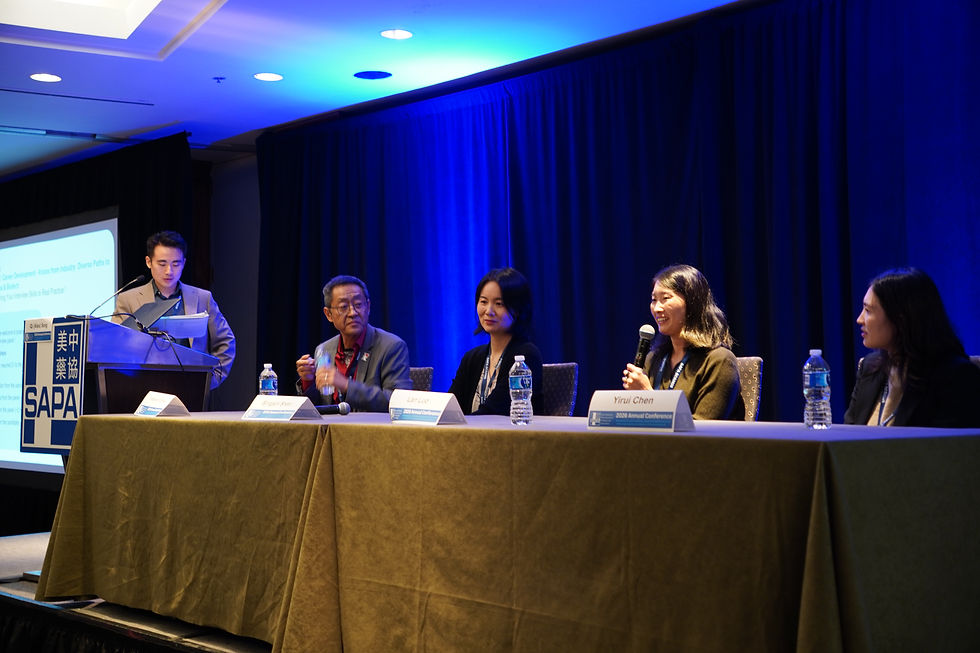
The second panel, “AI Reshaping Pharma Careers: Which Roles Will Disappear, Which Will Thrive, and How Leaders Should Prepare,” was moderated by Qi (Alex) Song and featured Yingchao “YZ” Zhang, PhD (opAIda); Lan Luo, PhD (Merck); Yirui Chen, PhD (Biogen); and Bingxin Shen, PhD (Bristol Myers Squibb). They explored AI’s impact on scientific and business roles, emphasizing the continued value of domain expertise, scientific judgment, problem framing, and communication.
The session concluded with an interactive mock interview workshop moderated by Qi (Alex) Song, PhD. Amy Spinney, MBA; Lorena Kuri, MS; Zhen Ma, PhD; and Yirui Chen, PhD served as interview panelists. Jason Huang and Nora Zhou participated as candidates and received real-time feedback on communication, structured problem-solving, business judgment, and cross-functional collaboration. Speakers also highlighted the importance of mentorship, community support, and professional networks for career development.
Parallel Session G: AI Workshop—Mastering AI Agents for Work and Life
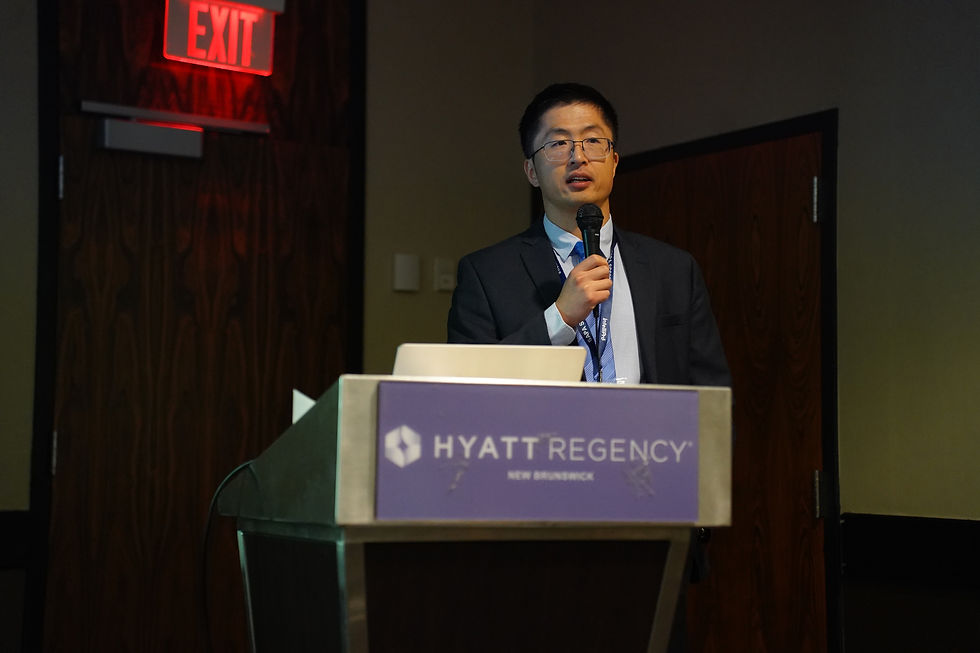
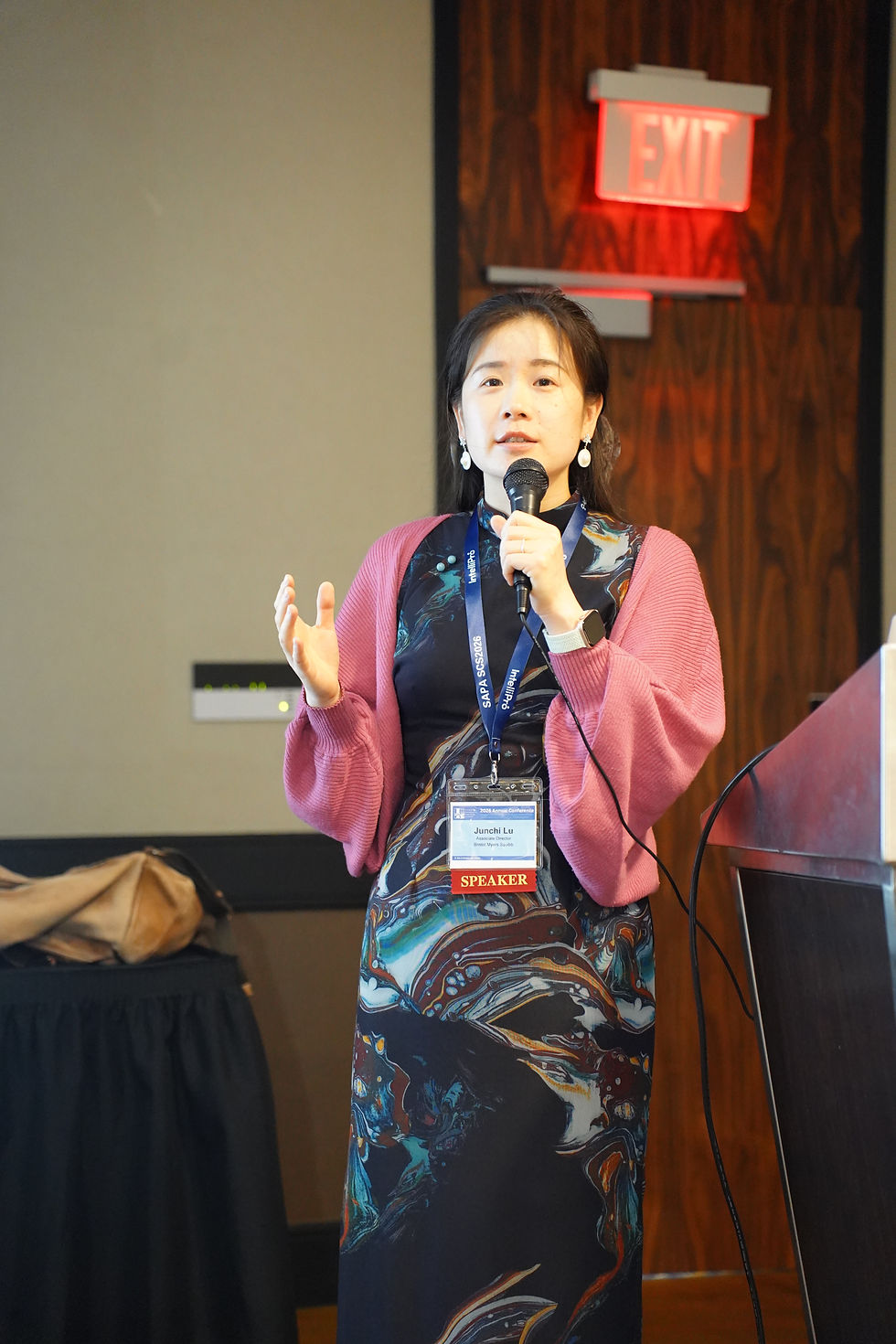
Parallel Session G was a hands-on workshop co-led by Zhiwei Yin, PhD (Associate Director, AI for Clinical Development, Bristol Myers Squibb) and Junchi Lu, PhD (Associate Director, BI&T Value Chain Analytics, Bristol Myers Squibb). The workshop guided attendees through AI orchestration, context engineering, custom skill design, and rapid agent prototyping.
Dr. Yin illustrated how AI projects can develop from an AI fitness coach to AI chief of staff and context management for multiple projects among a large team. He also highlighted best practices for context engineering, such as—Write, Select, Compress, and Isolate—to help keep AI systems focused and reliable.
Dr. Lu explained the roles of MCP, connectors, skills, and artifacts, then built a resume-tailor skill in real time. The whole session came down to three steps: assess the gap, clarify with the user, and tailor. The team built a working skill live and tested it against three real jobs on the spot.
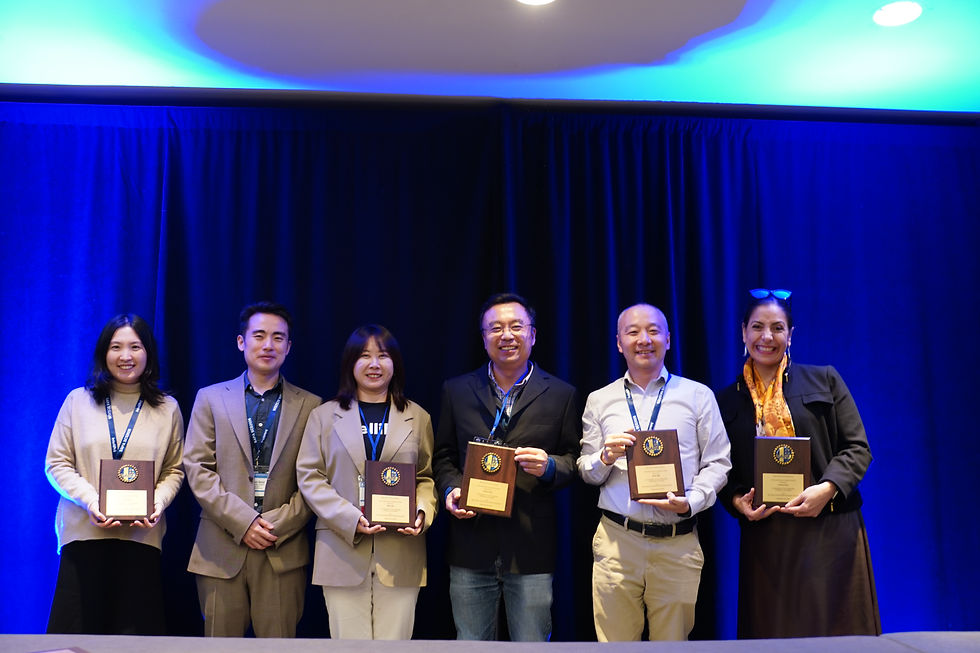
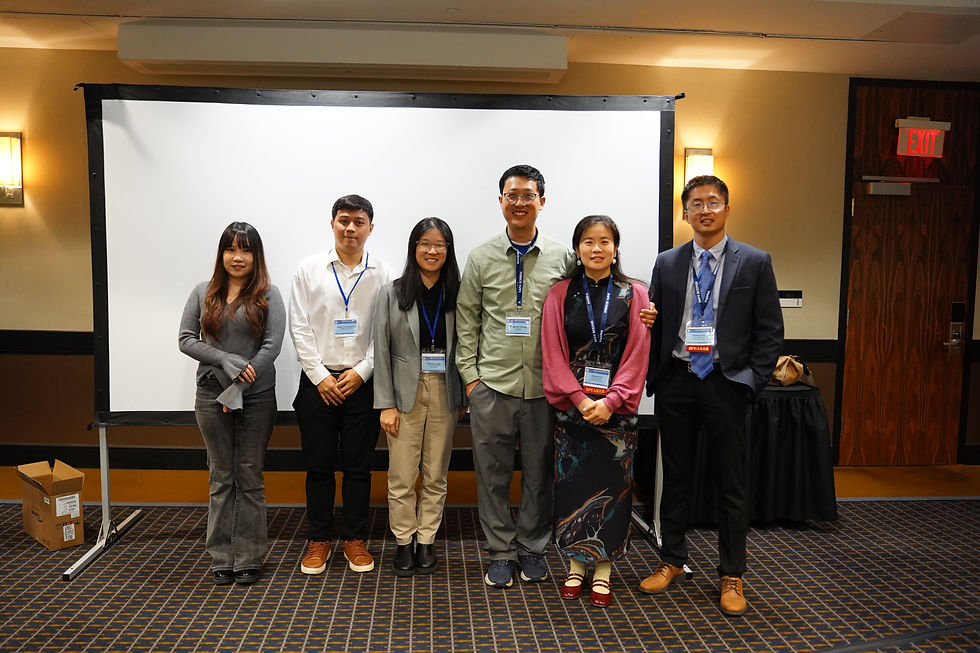
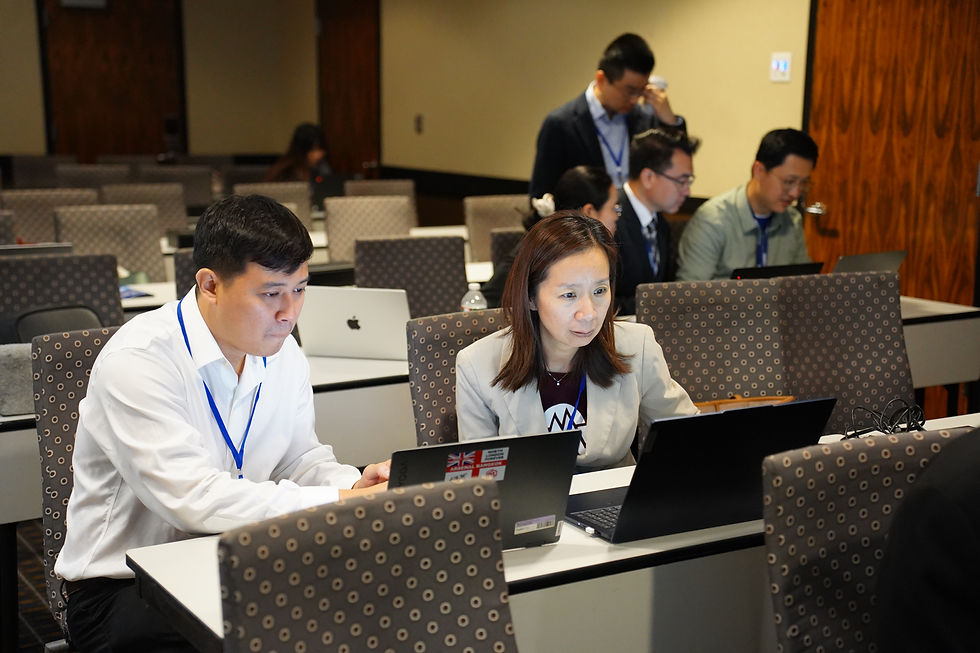
With support from teaching assistants Visanu, Yanlan, Eugene, and Yifeng, participants formed teams to design their own AI skills and present them in a Shark Tank-style challenge. Teams were evaluated on content, skill depth, design, and presentation, and selected teams received awards. The workshop combined instruction with direct practice, giving attendees an opportunity to build and demonstrate an AI skill during the session.



Comments